Catalonia faces a growing scandal over an outbreak of African swine fever that has killed 26 wild boars in the Collserola Natural Park near Barcelona. Regional authorities were forced to urgently establish a 20-kilometer quarantine zone around the site where the first animal carcasses were discovered. Amid panic among farmers and plummeting pork prices, public attention is now focused on the CReSA laboratory, which may have been the source of the infection.
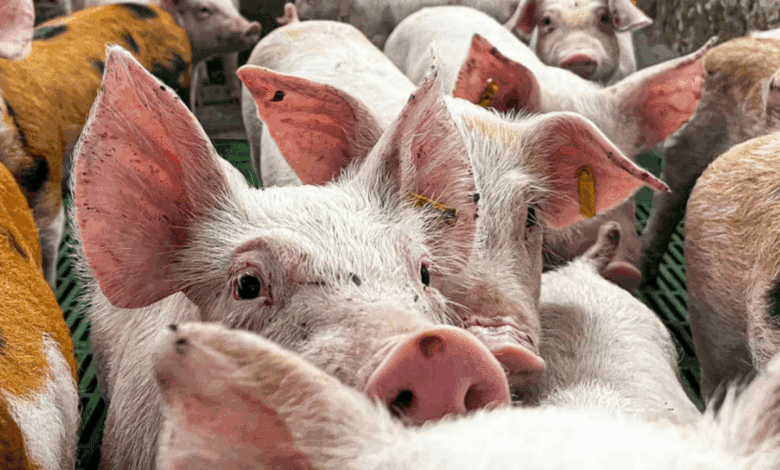
The region’s agricultural sector has been put at risk: farmers have stepped up veterinary controls, fearing the virus could spread to pig farms. Some foreign markets, including Japan and the Philippines, have already imposed restrictions on imports from the affected area. China, the largest buyer of Spanish pork, has so far limited its ban to only the province of Barcelona.
Under suspicion
The CReSA animal research center, located on the campus of Universitat Autònoma de Barcelona (UAB), is now at the center of an investigation. The laboratory is part of the state-run institute IRTA, which operates under the Generalitat’s Department of Agriculture. If it is confirmed that the virus which struck the wild boars matches the one used in CReSA experiments, Catalan authorities may face lawsuits for damages.
Administrative law experts note that if a link can be established between the lab’s activities and business losses, companies will be able to claim compensation for damages. Specialists believe the containment measures were appropriate, but the laboratory’s actions may become the subject of legal proceedings.
Legal consequences
The Ministry of Agriculture has launched its own investigation to determine whether the virus could have escaped from the laboratory. Other agencies are also involved: the Catalonian police (Mossos d’Esquadra) and the Seprona unit of the Guardia Civil are searching for the source of the outbreak. The case has already been referred to the court in Cerdanyola.
If CReSA is found liable, the Generalitat will not be able to cite force majeure, as was done during the COVID-19 pandemic when similar lawsuits were dismissed. Each company or farm will have to file claims individually, while industry associations can only assist with documentation—they cannot initiate class actions.
Economic blow
The pig farming sector is already feeling the impact: pork prices have dropped, and tens of thousands of pigs from farms near the affected zone have been culled. Their meat is now sold only on the domestic market. With the Christmas holidays approaching, a period when prices usually rise, the situation looks especially alarming for producers.
Industry association leaders are not rushing to announce possible lawsuits against the authorities. They emphasize that the priority now is to prevent the virus from spreading to farms. However, behind the scenes, legal action is already being discussed if the investigation confirms a laboratory leak.
Three parallel investigations
Three independent investigations are currently underway. The first is led by the Ministry of Agriculture and began after sequencing results for the virus were obtained. The second is a police probe involving Mossos d’Esquadra and Seprona, overseen by the Cerdañola court. The third is an internal inquiry by the Generalitat to determine whether dangerous pathogens were used for scientific purposes near the site where the dead animals were found.
Particular attention is focused on the CReSA laboratory, where it has been confirmed that work was carried out with the same virus strain that triggered the outbreak. The laboratory is currently undergoing renovations, and part of its facilities meets biosafety level three—the standard required for handling dangerous viruses such as African swine fever.