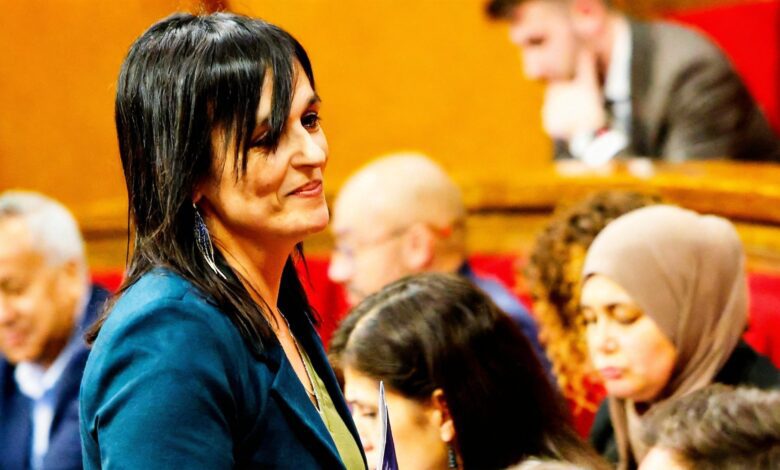
The Catalan Parliament’s decision to reject a ban on the burqa and niqab in public places has become a significant event for the region. The issue of wearing Islamic attire that completely covers the face was debated amid discussions on security, women’s rights, and cultural identity. The voting results showed that most deputies did not support the initiative, despite pressure from certain parties.
As El Pais reports, the proposal to introduce the ban was made by the PP party and was only supported by Vox and Aliança Catalana. Other political groups opposed it, arguing that it was necessary to respect citizens’ rights and freedoms. The text of the initiative emphasized that the ban was aimed at ensuring safety, facilitating identification, and protecting women’s dignity. However, these arguments did not convince the majority of parliament members.
Arguments of both sides
Supporters of the ban argued that such clothing contradicts fundamental societal values and hinders integration. They cited security concerns and problems with identification in public spaces. Opponents maintained that such measures restrict freedom of religion and may result in discrimination against certain groups. As a result, only three parties supported the initiative, while the rest voted against it.
The discussion also addressed the issue of ending the mass legalization of undocumented migrants. Here, the Junts party joined supporters of the ban, but most deputies again voted against it. According to El Pais, the final vote revealed significant differences between parties on migration and integration.
Political implications
The Catalan Parliament’s refusal to ban the burqa and niqab could set a precedent for other Spanish regions. The decision highlights the complex relationship between security concerns, cultural identity, and human rights. For many locals, the issue goes beyond religion and reflects how society perceives diversity and the integration of new residents.
In recent years, similar initiatives have been discussed in other autonomous communities, but none have resulted in strict restrictions being adopted. Russpain.com analysis indicates that such debates often fuel political controversy, but rarely lead to real legislative changes.
Context and trends
Across Europe, issues related to religious dress regularly spark heated debate. Some countries have introduced partial or full bans on face-covering garments, but such measures face resistance in Spain. The Catalan Parliament has considered similar proposals before, but each time, a majority of deputies have favored maintaining a balance between security and individual rights.
In recent years, issues of migration regulation and integration have repeatedly emerged in Spain. Despite some attempts to tighten the rules, most decisions are guided by the need to maintain social harmony and respect cultural diversity. Such developments show that society continues to seek a balance between tradition, contemporary challenges, and the protection of citizens’ rights.
In other European countries, such as France and Belgium, laws restricting face-covering clothing in public have already been implemented. In Spain, however, such initiatives often spark heated debates but rarely result in new legislation. The latest discussions in Catalonia confirm that the issue remains relevant and calls for further public dialogue.