In recent years, Catalonia has undergone a significant shift in its political climate. After the tumultuous events of 2017—marked by the independence referendum and Madrid’s subsequent measures—the region found itself in a new reality. Now, calm prevails over protest, directly shaping daily life and the future prospects of Catalonia’s residents.
As El Pais notes, against the backdrop of global upheavals and rising tensions in other countries, Catalonia stands out for its surprising decline in political fervor. While right-wing parties ramp up pressure across Spain, and Pedro Sánchez faces ongoing challenges, Catalan politics have shifted to low gear. Calls for independence have faded from headlines, and party negotiations now proceed quietly, away from the public eye.
A shift to calm
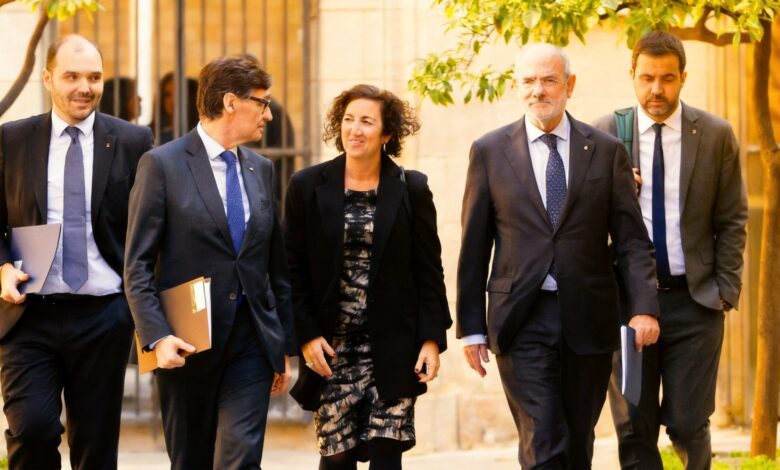
The new direction became evident after former independence leaders either left the country or were imprisoned. Over the years, the protest movement has gradually waned, giving way to pragmatism and a search for compromise. The new generation of politicians—including Salvador Illa—is betting on stability and carefully weighed decisions, aiming to bring Catalonia back to normalcy.
However, this strategy also carries risks. According to El Pais, the lack of clear ideas and long-term projects may lead to voter apathy. At the same time, amid declining activity from traditional parties, the far-right Sílvia Orriols is emerging on the political stage, though her rhetoric has not yet reached the aggressive levels characteristic of VOX or other European radicals.
Shifts in the political landscape
Junts, once considered the main driving force for independence, is facing an internal crisis. Following the departure of some leaders and a drop in supporter numbers, its influence has diminished noticeably. The coalition is now held together by a small group around Carles Puigdemont, but polls show their electoral base is shrinking.
Instead of former independence slogans, the focus has shifted to everyday political issues: coalition-building, allocation of powers, and discussions of social and economic initiatives. Negotiations between PSC and Esquerra Republicana have become routine, while nationalist rhetoric has receded into the background.
Challenges and prospects
Despite an appearance of stability, experts warn that if politics is limited to managing current affairs, it may fuel discontent and strengthen radical forces. European experience shows that in times of political apathy, extreme parties are often able to gain popularity rapidly.
For Catalonia, it is important not only to maintain stability but also to propose new ideas that can unite society and offer the region long-term prospects. As El Pais notes, calm in itself does not guarantee progress—what’s needed are projects that can inspire people and defend democratic values amid the growing authoritarianism in Europe.
Recent years in context
In recent years, Spain and Europe have faced waves of political crises, the rise of populism, and the strengthening of radical movements. In 2023, similar trends were observed in France and Italy, where traditional parties lost ground while new forces quickly gained popularity. In Spain, following the events of 2017 in Catalonia, there were also efforts to stabilize the situation through dialogue and reforms. However, experience shows that lasting calm is only possible with a clear strategy and long-term goals; otherwise, political vacuums are quickly filled by fresh conflicts.