A new transportation scandal is unfolding in Spain: Minister of Transport Óscar Puente abruptly suspended Rodalies commuter train service in Catalonia, citing safety concerns following a series of tragic incidents. The decision sparked a storm of emotions and a wave of criticism, especially since the minister firmly refused to conduct a national review of the country’s entire rail network. Questions about the true state of the railways and who is responsible for the numerous accidents remain unanswered.
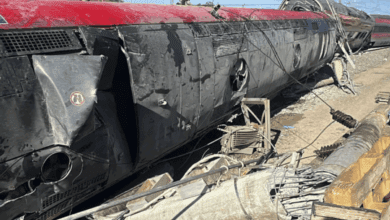
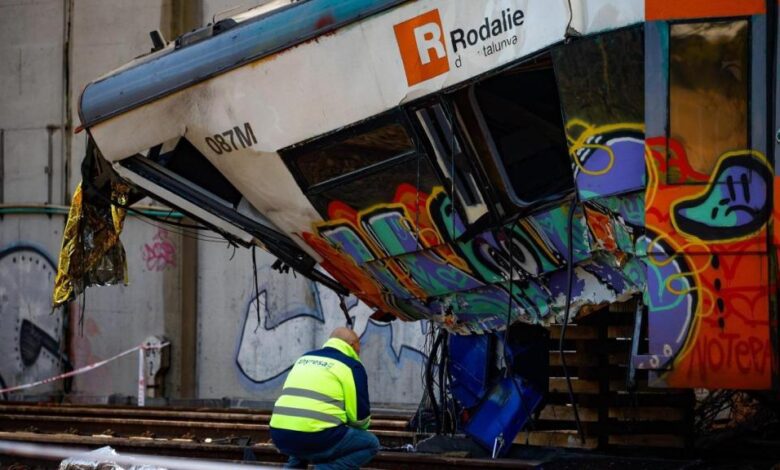
In recent weeks, Spain has witnessed several serious incidents on the railway. Fatal accidents in Adamuz (Córdoba) and Gelida (Barcelona) have exposed major infrastructure problems. Despite government claims of increased investment in the rail sector, Catalonia continues to report a decline in track and equipment conditions. Authorities state that maintenance spending has risen by 60% over eight years, but passengers and unions point to ongoing disruptions and life-threatening risks.
Pressure and protests
The situation in Catalonia reached a boiling point after independence parties and regional authorities accused Madrid of systematic underfunding and ignoring the Rodalies issues. Following the tragedies in Gelida and Adamuz, as well as a series of minor incidents, Minister Puente found himself under double pressure: on one side, there were demands to ensure safety; on the other, calls for a complete overhaul of the national railway system. However, the head of the ministry chose to focus only on Catalonia, sparking accusations of double standards and political maneuvering.
In response to demands for a national audit, the minister said he considered it unnecessary and attempted to shift responsibility for the Adamuz catastrophe onto a possible manufacturing defect with the rail. This explanation failed to satisfy the opposition, unions, or ordinary passengers who face delays, cancellations, and accidents on a daily basis.
Rodalies Collapse
The decision to completely halt Rodalies came as a shock to Catalonia’s residents. Under pressure from regional authorities and unions, Renfe agreed to suspend all commuter routes to carry out urgent safety work. That same day, train drivers went on strike, demanding guarantees and a thorough investigation following their colleague’s death in Gelida. Spontaneous protests broke out in the streets of Barcelona and other cities, while on social networks, heated debates erupted over who was responsible for the transport chaos.
Meanwhile, new incidents were reported on other sections of the country’s railways: in Gélida, a retaining wall collapsed onto a train, resulting in the death of a trainee driver and injuries to dozens of passengers. During the same period, a fire broke out on the line between Tortosa and Amposta, severing the power lines and bringing traffic to a halt. In Madrid, Asturias, and on the R2 Rodalies line, cable theft caused additional disruptions and delays.
Money and promises
Authorities claim that in recent years, they have invested record amounts in the railways: maintenance spending has risen from 720 million to more than two billion euros, and on some lines, traffic intensity has almost tripled thanks to the arrival of private operators. However, in Catalonia, the message remains the same: it is chronic underfunding and outdated infrastructure that have caused the series of accidents and the forced shutdown of Rodalies.
Following pressure from regional parties, the government agreed to transfer control of Rodalies to the Generalitat and to allocate more than one billion euros for modernization. The first portion of this funding has already been made available to Catalonia, but locals are demanding not only money but real change. Leaders of independence movements call the current situation just the tip of the iceberg and warn of an impending transport collapse across the country.
Reaction and consequences
While Minister Puente continues to insist that the problems are limited to Catalonia, concern is growing in other regions of Spain. With each new incident, distrust of official statements about the safety and efficiency of the rail system increases. Social media users discuss not only technical failures but also the political intrigues surrounding the allocation of funds and accountability for accidents.
As passengers wait for service to be restored and reassurances of safety, experts warn that without transparent audits and real reforms, the country’s transport system may face an even greater crisis. Yet for now, authorities prefer to put out fires one by one, leaving questions unanswered and risking a recurrence of tragedy.