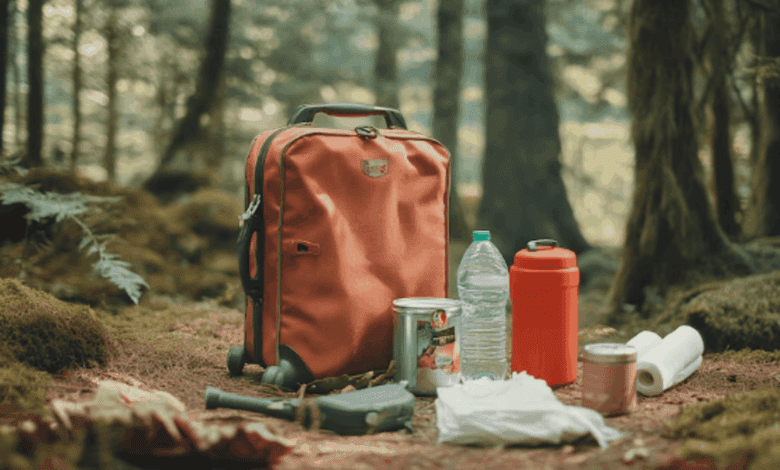
Catalonia (Catalunya) has launched an unusual initiative: local authorities are encouraging residents to assemble special emergency kits. Officials believe these measures will help citizens stay calm in case of power outages, floods, or other unpleasant surprises, which have become more common lately.
According to experts, the kit should include not only standard items like a flashlight, spare batteries, and canned food. The list also features documents, medications, some cash, as well as enough food and water for at least three days. All of this is recommended to be kept by the front door, so you don’t have to frantically search your home for essentials in an emergency.
Why now?
Recent months have revealed just how vulnerable modern cities are to natural disasters and technological failures. The mass power outage that occurred in the spring took many by surprise—people were left without communication, couldn’t withdraw cash, or even buy basic groceries. Authorities have decided it’s time to rethink safety and learn how to be prepared for the unexpected.
Special attention is given to families with children, the elderly, and people with special needs. For them, it’s recommended to add diapers, walkers, and essential medications to their backpacks. Pet owners are reminded not to forget pet food, documents, and a carrier.
A New Safety Culture
Catalan authorities believe that if every resident is prepared for an emergency, it will reduce panic and help manage the consequences more effectively. As part of the campaign, posters, videos, and social media posts have appeared across the region explaining how to assemble an emergency kit and why it’s important.
This is not just a formality. European guidelines recommend having supplies for at least 72 hours, since restoring electricity, water, and communications can take longer than a day. Even if most outages are resolved more quickly, it’s better to be prepared for the worst-case scenario.
How residents are responding — and what’s next
Many Catalans have dug out their old radios and stocked up on canned food. After a recent blackout, demand for batteries and flashlights surged. Some remain skeptical about the new measures, but most agree: it’s better to be safe than sorry later.
Authorities hope this new habit will become part of daily life, with residents looking out for themselves and helping their neighbors. Ultimately, the campaign aims to create a culture of personal responsibility for safety and teach people to act calmly in any situation.