In Catalonia, Sunday morning began with a complete halt of suburban train services. For the fifth time this week, residents of the region are facing the inability to use their familiar Rodalies trains. The decision to fully suspend services was made by the authorities the previous day — officially due to the inability to guarantee passenger safety. For the hundreds of thousands who depend on the railway every day, this came as a real blow: their usual routine was disrupted, and the transport system is now on the brink of collapse.
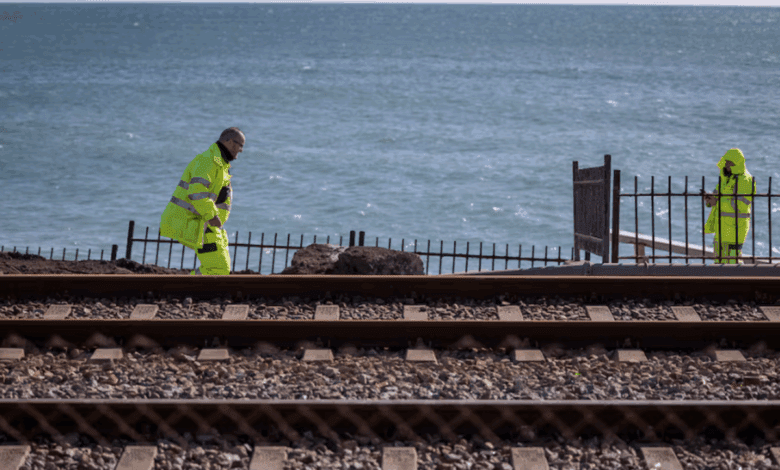
Catalan authorities, seeing no improvement in the situation, ordered the cancellation of all Rodalies and Media Distancia trains. The reasons were not only the aftermath of recent heavy rains but also new landslides threatening the infrastructure. Despite assurances from railway companies about safety, the regional government chose not to take risks and launched a thorough inspection of 21 hazardous sections, two of which have been deemed critical.
Emergency measures
Amid the transport chaos, officials have focused all efforts on organizing alternative routes. Some 170 additional buses have been rolled out to at least partially compensate for the lack of trains. Other public transport lines have also been reinforced, and driving restrictions for old and polluting cars entering Barcelona have been temporarily lifted. Authorities promise to keep residents informed and to give advance notice of any changes, but for now, no one can say when rail services will be restored.
At the same time, specialists are working around the clock to inspect and reinforce the most hazardous sections of the tracks. According to government officials, only a complete halt of train traffic allows engineers to work without risking their lives and to speed up the repair process. However, even these measures do not guarantee that new landslides won’t occur—nature continues to spring unpleasant surprises.
Causes and consequences
It all began with a tragedy that shook the region: last week, between Sant Sadurní d’Anoia and Gelida stations, a train derailed after colliding with a collapsed retaining wall. One person died and 37 were injured, five of them seriously. The accident was caused by heavy rains that had undermined the support structures and triggered the collapse. Following this incident, anxiety among passengers and authorities spiked, and confidence in the railway infrastructure took a hit.
The transport minister admits openly: the state of the tracks leaves much to be desired, as the system has suffered from years of underinvestment. Even though significant funds have been allocated to modernization in recent years, the effects of prolonged neglect have become evident now, with the natural disaster exposing every weak point.
Life without trains
For residents of Catalonia, the shutdown of Rodalies has become a real ordeal. Every day, about 400,000 people relied on these trains to get to work, school, or take care of errands. Now, they are forced to seek alternatives: some have switched to buses, others have to drive, and some have stayed home altogether. Bus stops and buses are crowded, with queues, frustration, and fatigue. Discontent is growing on social media, and many are demanding swift and decisive action from the authorities.
It is still unclear when the situation will return to normal. Officials promise to restore service as quickly as possible, but with one caveat: safety comes first. Meanwhile, residents of the region continue to live in a state of transport uncertainty, and each new day without trains only increases the tension.