One of the most intense political chapters in recent years has ended in Valencia: Carlos Mazón has resigned. This was demanded by thousands of residents in the region, and now that their demand has been met, a new sense of uncertainty has emerged on the political stage. Questions about the region’s future and who can offer a real alternative to the current course are becoming increasingly pressing.
Mazón’s successor, Juanfran Pérez Llorca, finds himself in a difficult position. His appointment is backed by Vox, raising concerns among many about the new leader’s independence and autonomy. In addition, Pérez Llorca cannot distance himself from the decisions and mistakes of the previous government—especially in the aftermath of the catastrophic 2024 flood and the following year, marked by scandals and widespread distrust.
Opposition challenges
At first glance, Mazón’s departure might seem to open up new prospects for left-wing parties. However, the reality is much more complex. After months of pressure and protests, the left now faces the need not only to criticize but also to propose solutions. Simply being “better” than those whom many blame for the tragedy that claimed hundreds of lives is too weak a position for an effective election campaign.
So far, neither PSPV nor Compromís has presented a clear program for the region. Their rhetoric is limited to criticizing the current government’s policies: privatization, tax cuts for the wealthy, weakening of the Valencian language and culture, and support for land speculation. But what exactly do the left propose? What are their goals and plans?
Lack of ideas
The problem is that the opposition builds its strategy solely on opposition. Their platform is essentially a list of things they don’t want to allow. As a result, the political agenda is shaped not by them, but by their opponents. Voters hear promises to restore what has been lost but see no new ideas or long-term vision.
Questions about the future of healthcare, education, social policy, the economy, and tourism remain unanswered. Criticism of the Ribera Salud model, deteriorating conditions for teachers and schools, and cuts to cultural support—all of this is important, but not enough. Voters expect concrete proposals and plans, not just outrage over current events.
Crisis of trust
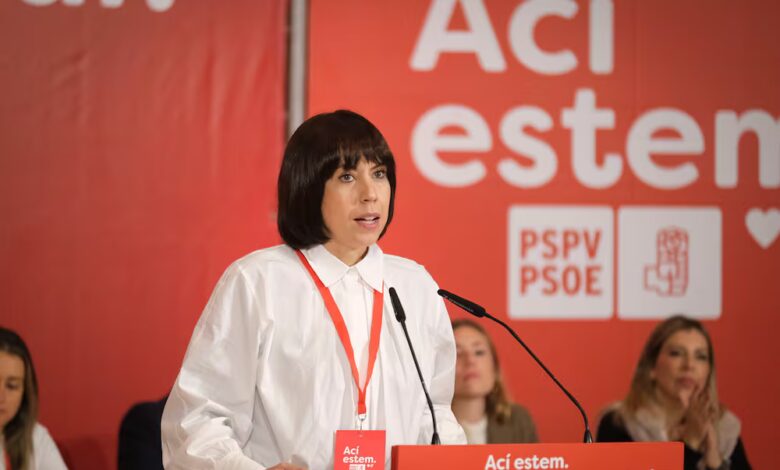
The situation is further complicated by a personnel crisis. The left’s candidate, whose main accomplishment is considered to be work in Pedro Sánchez’s government, faces distrust due to weak ties to the region. Meanwhile, after the legal prosecution of Mónica Oltra, none of the left-wing forces has managed to fill the resulting void. Some are even calling for the return of the former vice president, whose reputation among her supporters remains high.
In these circumstances, the slogan “We want to vote” rings hollow. Voters want to know what and whom they are voting for. There is less and less time to form a clear alternative, while uncertainty continues to grow.
Time is running out
With only a short time left until the elections, if the left fails to offer a clear and inspiring platform, there is a risk that voter disappointment will play into the hands of those in power. People are tired of promises to “bring things back to the way they were”—they want new direction and real change.
At the moment, the political scene in Valencia resembles a battlefield, with neither side ready to offer a clear path forward. The future of the region remains in question, and the window for decisive action is closing fast.
For the record, Carlos Mazón is one of Valencia’s most prominent politicians in recent years. He led the regional government from 2023 and was known for his tough stance on economic and governance issues. His departure came after sustained public pressure and a series of scandals related to emergencies and criticism of the authorities. The new head of the region, Juanfran Pérez Llorca, previously held municipal positions and is considered close to the Vox party.