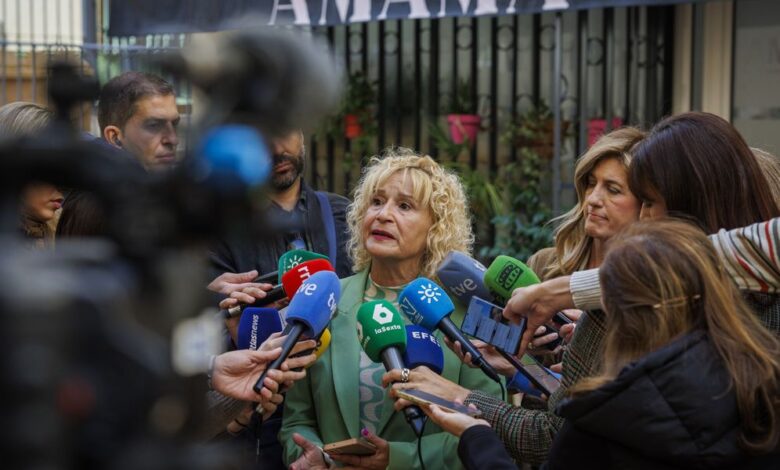
An attempt to establish dialogue between the Andalusian health authorities and the Association of Women with Breast Cancer from Sevilla (Amama) has ended in failure. After a brief pause in their standoff, the two sides found themselves back in conflict, which only intensified following Amama’s initial meeting within the framework of monitoring the situation with mass breast cancer screenings.
In early November, the head of Amama, Ángela Claverol, took part in a session focused on analyzing the diagnostic crisis. However, after the meeting, she stated that the conditions for her participation had been discriminatory: she was asked to sign a non-disclosure agreement that was not required of the other attendees. This sparked a new wave of distrust toward the regional authorities, and the organization has since filed 25 new property claims against the Andalusian government.
The situation was further complicated when Amama accused officials of attempting to limit its access to parliamentary hearings where the next year’s budget was being discussed. Despite this, administration representatives continue to assert their willingness to engage in dialogue, but common ground remains elusive.
Disagreements over the number of those affected and new accusations
At the heart of the conflict are differing assessments of the scale of the problem. Authorities say it concerns 2,317 women who did not receive notification of unclear screening results. Amama insists the number of those affected is much higher, as many experienced delays in receiving a diagnosis, and some have already suffered serious health consequences.
The organization plans to collect complaints from women across Andalusia, and in Seville alone, over two hundred women have already expressed their willingness to join collective lawsuits. Against this backdrop, Amama accuses the regional government of ‘institutional violence’ and intends to seek justice for all those affected.
Political consequences and reshuffles
The cancer screening crisis has become one of the toughest challenges faced by Andalusian president Juanma Moreno. Mass protests in all eight provinces drew tens of thousands of people, taking authorities by surprise. Meanwhile, some politicians believe the opposition is using the situation to put pressure on the government, while professional unions have not officially supported the protests.
Amid the scandal, Health Minister Antonio Sanz has begun restructuring the leadership of his department. Nicolás Navarro has been appointed as the new deputy, sparking a wave of criticism from left-wing parties and labor unions. Navarro is accused of lobbying for private clinics, given his connections to private medicine and his position in the municipality as part of the ruling party.
Looking ahead: reforms and expectations
Authorities promise to complete the review of all disputed cases by the end of November, but Amama doubts the transparency of the process and demands broader recognition of the issue. A new round of confrontation is expected in the coming weeks, while the future of Andalusia’s healthcare reform remains uncertain.