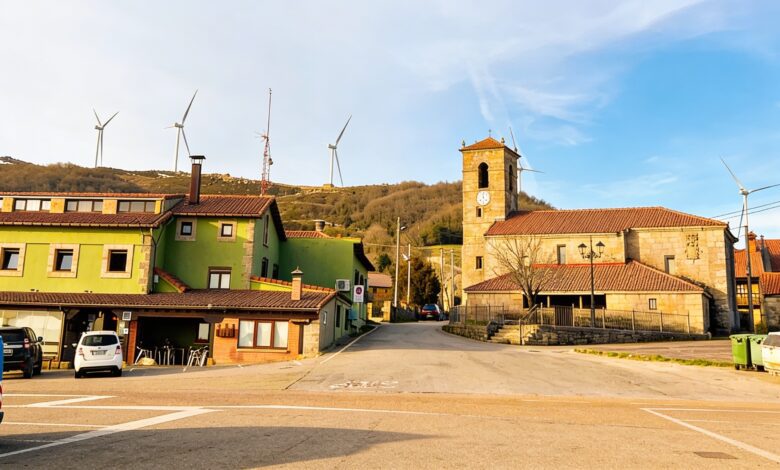
A heated conflict has erupted in Cantabria over the construction of a large wind farm in the El Escudo area. The Ministry for the Ecological Transition unexpectedly halted work when only two of the planned twenty-three turbines remained until project completion. The decision came in response to an administrative complaint filed by a local activist group, which for several years has opposed the project due to concerns about its impact on nature and society.
The situation has become especially significant for the region, as the project spans several municipalities — Luena, Campoo de Yuso, and Molledo. According to El Pais, the ministry demanded an immediate stop to all work until the official protest from the ‘Platform for the Defense of Southern Cantabria’ collective is reviewed. Previous attempts to challenge the construction in court were unsuccessful, but now the dispute has shifted to the administrative arena.
Response from companies and authorities
Biocantaber, affiliated with Iberdrola, has found itself in the spotlight. Company representatives have expressed surprise at the abrupt halt, noting that all their building permits are in order and most turbines are already installed. They emphasize that they were not officially notified of the new complaints and had previously won court cases related to this project. At the same time, the ministry insists that upon receiving an administrative complaint, work must be suspended until a final decision is reached.
The agency clarifies that the suspension is not related to earlier court proceedings, but is solely due to the need to comply with administrative procedures. Ministry representatives note that such measures are standard practice in cases of disputes to avoid possible legal violations.
Arguments of wind farm opponents
Activists opposing the wind farm believe that construction should not have begun until all disputes were fully resolved. They point to numerous complaints about environmental damage and irregularities in issuing permits. In their statement, the group emphasizes that the suspension of work confirms their concerns about the transparency and legality of the process.
In their view, the large-scale roll-out of wind energy should be accompanied by a thorough assessment of its impact on the environment and the interests of local residents. They call for broader discussion on the development of renewable energy to avoid conflicts and protect unique natural areas.
Regulatory changes
Against this backdrop, the ministry announced new regulations that extend the deadlines for completing such projects until the end of 2030. Additionally, periods during which construction is suspended due to administrative or legal reasons will no longer count toward the overall implementation timeline. This decision is linked to supply chain challenges and the need to adapt to new economic conditions caused by international crises.
As El Pais notes, these changes could affect dozens of projects across Spain, especially in regions where local communities are actively involved in discussions about the future of energy. In Galicia, there have already been similar cases where wind farm construction was temporarily halted due to complaints and protests.
Context and consequences
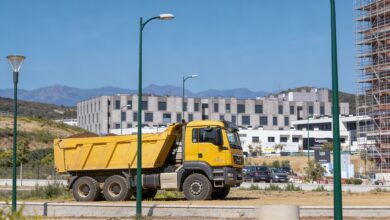
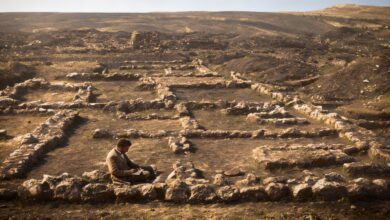
Currently at the El Escudo construction site, you can see halted machinery, uninstalled turbine parts, and empty construction areas. Local residents point out that land previously used by the community has been put at risk due to large-scale works. At the same time, activists acknowledge the need to transition to renewable energy sources but insist on a more responsible approach when choosing locations for such projects.
Questions about balancing energy development and environmental preservation are becoming increasingly relevant in Spain. According to russpain.com, similar debates have already caused delays and revisions of major infrastructure projects in the country. A recent report examined business risks linked to public distrust and changes in regulations— details on how public opinion impacts the market.
In recent years, Spain has seen a rise in the suspension or reconsideration of large energy projects due to pressure from local communities and environmental groups. In Galicia and Asturias, several wind farms were temporarily put on hold following residents’ complaints and government intervention. In Andalusia, stricter rules for new facility placements are being discussed to ease social tension. These trends reflect the public’s growing interest in environmental issues and decision-making transparency in the energy sector.