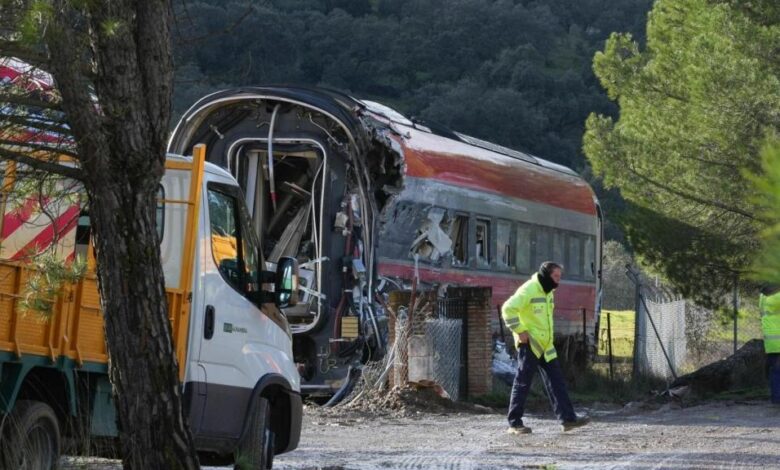
The events surrounding the railway disaster in Adamuz have shaken all of Spain. For many residents, the tragedy has become a stark reminder of the importance of transportation safety and how quickly the consequences of an accident can affect hundreds of families. The judicial authorities in Córdoba are already facing a flood of complaints and petitions, highlighting the scale of public outcry and showing that people are not willing to accept what happened.
The court’s first steps
In Córdoba, the investigation into the circumstances of the accident that occurred on January 18 on the Adamuz rail line continues. So far, the court has received 34 official complaints from victims and their families. Each case requires individual review, and the number of petitions may increase as new details emerge. Judicial authorities note that seven groups have already joined the case, pressing charges on behalf of the public. However, it has not yet been decided whether these accusations will be officially incorporated into the proceedings.
At the same time, the court has opened 148 preliminary investigations, based on medical documentation received after the tragedy. These files concern both the deceased and those who survived but sustained injuries of varying severity. Every victim has been offered the right to file a claim to seek justice and compensation.
Public outcry
The surge in complaints and the activity of civil prosecutors indicate that society demands transparency and accountability from everyone involved with the railway infrastructure. Authorities emphasize that the investigation will be conducted as openly as possible, ensuring that no detail is overlooked. Recalling recent tragedies, many residents of Andalusia compare the current situation to other high-profile incidents, for example, when a police officer died after responding to the aftermath of a flood. At that time, too, questions arose about how the services were organized and whether the loss of life could have been prevented.
The judicial system is now under significant strain. Every new statement requires verification, and the relatives of the deceased and those affected expect not only compensation but also clear answers: who is at fault, whether mistakes were made in the organization of train operations, and what will be done to prevent a recurrence.
Next steps
So far, the court has not made a final decision regarding the participation of public prosecutors, but the process is ongoing. Investigators continue to collect materials, analyze medical reports and question witnesses. Authorities promise that no complaint will be left unexamined, and those responsible will be identified and held accountable.
A new wave of claims is expected in the coming weeks, as many victims are only now receiving full information about their rights and options. Public expectations are high: people want to see real changes in the railway safety system and believe the Adamuz tragedy should serve as a lesson for the entire country.
Context and similar cases
In recent years, Spain has repeatedly faced major transport accidents that have resulted in mass casualties and sparked intense public debate. After each such tragedy, control over relevant services is tightened, and courts receive dozens or even hundreds of complaints. Cases involving road accidents or disasters at sea come to mind—there is always the question of how the calamity could have been prevented. Authorities promise reforms, but only time will tell whether they will bring real change.