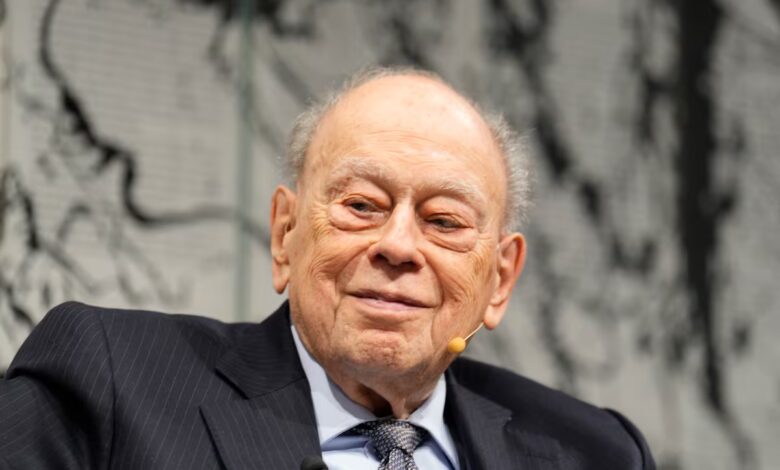
Spain’s National Court (Audiencia Nacional) has made a decision that is already making headlines: Jordi Pujol, once a powerful leader of Catalonia, will be allowed to attend the preliminary hearing via videolink. This is due to his critical health — the 95-year-old politician is currently hospitalized in Barcelona, being treated for pneumonia.
On Monday, just hours before the first session begins, judges plan to personally verify Pujol’s health condition. The video conference will also include court-appointed doctors who have previously assessed his state, along with all parties involved in the case. This step should clarify whether the former head of the Generalitat de Catalunya is fit to take part in the trial.
The trial itself, set to begin on November 24, is expected to be one of the most high-profile in recent years. Pujol’s legal team and his family repeatedly managed to delay proceedings, deploying various legal tactics to buy time and remove sensitive documents from the case. As a result, hearings were postponed for years, but now the case is finally going to court. The proceedings are expected to last until mid-2026, with a witness list exceeding 250 people.
Family secrets and political ambitions
Interest in the case is fueled not only by the scale of the accusations, but also by attempts from Catalan nationalists to restore Pujol’s former reputation. Once regarded as a symbol of political stability in the region, his name is now associated with corruption scandals and secret offshore accounts.
The investigation concluded that the Pujol family spent decades using their influence to amass a vast fortune. According to the court, these assets are directly linked to illicit income gained through their sway in Catalonia’s politics, economy, and society. Pujol himself admitted back in 2014 to having concealed large sums in Andorra for many years, but claimed the money was an inheritance left by his father. Prosecutors reject this explanation and insist the truth is otherwise.
A long road to justice
The Pujol case has become a symbol of the fight against corruption at the highest level. Over the years of investigation, the proceedings have ignited legal as well as political tensions. In Catalonia, debates continue over how the trial will impact the region’s future and its relationship with Madrid.
Ahead lie months of intense hearings, interrogations, and new revelations. Spanish society is closely following the developments, as not only the fate of one of the country’s most prominent politicians is at stake, but also the public’s trust in government institutions.