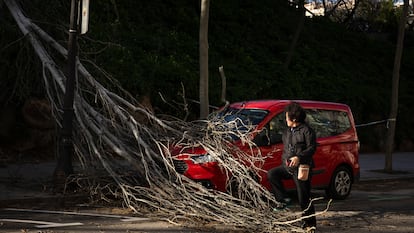
Catalonia is once again in the spotlight after a devastating storm brought life in the region to a standstill. The aftermath proved tragic: in Barcelona, a woman was killed when part of a factory roof collapsed on her. This incident became the most severe among many caused by hurricane-force winds that ravaged city streets and disrupted transport infrastructure.
At Vall d’Hebron Hospital in Barcelona, doctors fought to save the life of the 46-year-old victim, but her injuries were fatal. Her death symbolized the vulnerability of the metropolis in the face of natural disasters. The same day, dozens of others were reported injured in the region, many suffering serious harm from falling trees, debris, and destruction.
Extent of the damage
The disaster didn’t only result in loss of life. According to official reports, 90 people were injured by the storm, five of them critically. Nearly a hundred flights had to be canceled at El Prat Airport, leading to chaos among passengers and major disruptions to schedules. Rail and road traffic also came to a standstill: countless blockages, fallen trees, and damaged structures made travel nearly impossible.
Particular attention was drawn to incidents involving civil protection volunteers. In Sant Boi de Llobregat, a tree fell on two young men who were helping eliminate the aftermath of the storm. One of them, a 22-year-old, is in critical but stable condition; the other, 23, sustained serious injuries but his life is not in danger. Doctors at Vall d’Hebron hospital are also fighting for the life of another man, aged 46, who was injured when the roof of an industrial facility collapsed.
The city on edge
On Friday, Barcelona and its surrounding areas resembled a disaster zone. Authorities decided to close all schools, universities, and sports centers. Medical facilities cancelled non-urgent appointments to focus on emergency cases. Debris littered the streets of the city and suburbs: fallen trees, destroyed fences, fragments of urban infrastructure, as well as pieces of facades and roofs.
Residents were forced to stay indoors to avoid unnecessary risk. Many neighborhoods were left without electricity, while utility services worked around the clock to clear the debris and restore order. Authorities urged everyone to remain calm and follow rescue service instructions, but tension was palpable throughout the city.
Consequences and lessons learned
Such weather disasters have become increasingly common in Spain in recent years. Many recall the hurricane that struck Valencia and Alicante last year, leaving destroyed homes and power outages in its wake. A few years ago, strong winds in Madrid also caused numerous injuries and temporarily halted city transport. Each time, these incidents test the emergency services and challenge the resilience of urban infrastructure.
Experts point out that climate change is leading to a rise in extreme weather events. Authorities are forced to revise safety standards and strengthen measures to protect the population. For many residents of Catalonia, the current storm has served as a reminder of the need to be prepared for nature’s unexpected challenges.