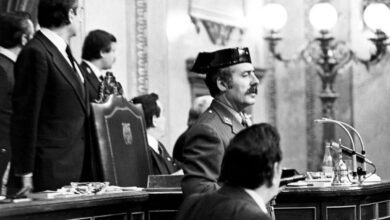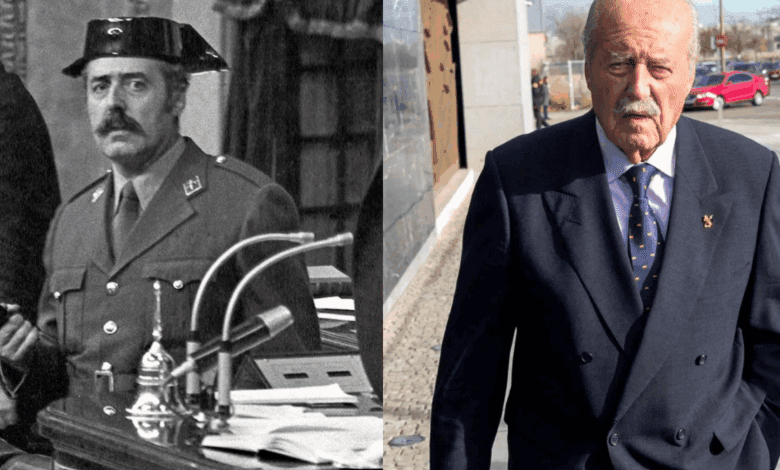
Spain is once again reflecting on events that set the country’s political direction for decades. The death of Antonio Tejero Molina, the former Civil Guard officer and a key figure in the attempted coup on 23 February 1981, has prompted renewed discussion of Spain’s recent past. For many Spaniards, this news is more than a biographical detail—it serves as a reminder of how fragile stability can be and how the choices of individuals can shape the fate of an entire nation.
According to El Espanol, Tejero passed away on 25 February after a prolonged illness. His final months were marked by deteriorating health, with doctors offering little hope for recovery. The family had been preparing for the inevitable, and the former officer received the last rites from a close priest. His passing did not go unnoticed—debate has reignited in the media and among politicians, as Tejero’s legacy continues to spur controversy and strong reactions.
The aftermath of the coup attempt
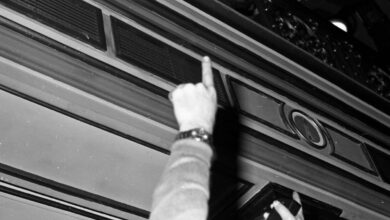
The February 1981 attempt to seize power was one of the most dramatic episodes in Spain’s recent history. Tejero, then a lieutenant colonel, led a group of armed guards into the Congress of Deputies. Their actions nearly derailed the democratic reforms set in motion after the death of Francisco Franco. The coup’s failure reinforced the monarchy’s position and ushered in a new phase for the country, yet memories of those events still provoke heated debate.
After the trial, Tejero was sentenced to a long prison term and spent 15 years in various military prisons. His release in 1996 sparked public debate, and he remained a symbol of the divide between supporters of strict discipline and advocates of democracy. In recent years, his name rarely appeared in the news, but each time debates about the role of the military or challenges to government decisions arose in Spain, Tejero’s figure returned to the public consciousness.
Public Reaction
Tejero’s death sparked a wave of comments on social media and in leading publications. Some recall him as the man who put the country’s future at risk, others as a participant in a complex era when Spain was searching for its own path. Renewed interest in the coup coincided with recent debates over politicians’ attitudes toward the monarchy: for example, last year many parties refused to take part in anniversary events marking the 50th anniversary of the Spanish monarchy, which was covered in detail in the article about the boycott of celebrations in Congress. These events show that questions of power and legitimacy remain relevant for Spanish society.
In the final months of his life, Tejero rarely appeared in public. His condition worsened, and the family chose not to make any official statements until the very end. According to Ale Espanol, he spent his last weeks surrounded by loved ones, and his passing was a difficult ordeal for them. Although more than forty years have passed since the coup attempt, Tejero’s figure continues to spark controversy and debate.
Historical context
Attempts at forceful intervention in the country’s political life have repeatedly drawn public attention in Spain. In recent years, there have been no such large-scale coup attempts, yet isolated incidents involving the military or security officials are regularly discussed in the press. Each such case triggers a wave of debate about the limits of what is permissible and how the state should respond to threats to its stability.
Recalling the events of February 23, 1981, many experts note that it was the failed coup that became the turning point for Spanish democracy. After this incident, trust in government institutions gradually strengthened, and the army’s role in politics was significantly reduced. Nevertheless, debates about the past and attempts to reinterpret the lessons of history continue today, as evidenced by the reaction to the death of Antonio Tejero.