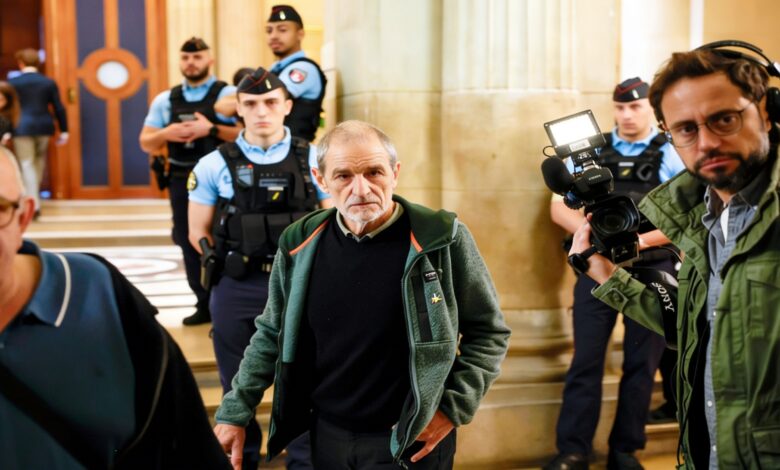
The trial in Paris of Josu Ternera has become a pivotal event for Spain’s legal system. The question of his extradition directly affects not only the fate of the former ETA leader but also future cooperation between France and Spain in combating terrorism. The French court’s decision could alter the course of several high-profile cases connected to the country’s past.
The proceedings, which began almost six months late, examine accusations that Josu Ternera participated in ETA activities from 2002 to 2005. Over recent years, hearings have been postponed repeatedly for various reasons, including the defendant’s health. This time, the session started with a delay, and the defense once again expressed dissatisfaction with the absence of key witnesses, among them international mediators involved in peace negotiations.
Impact on extradition
The outcome of this process will determine whether Josu Ternera can be handed over to Spanish authorities for two significant cases. These concern the investigation of the 1987 bombing at the Civil Guard barracks in Zaragoza, which killed 11 people, and a case on financing ETA through the herriko tabernas network. France has already approved extradition requests for these incidents, but the final decision depends on the conclusion of the current trial.
Josu Ternera was in hiding in France for a long time after authorities in Spain launched an investigation into the Zaragoza attack. According to El Pais, prosecutors believe he was the one who made the decision to carry out this attack. Following his refusal to appear for questioning, an international search was declared.
A lengthy legal history
The current proceedings are not directly related to cases of attacks or financing, but their outcome is critical for future developments. In 2010, Josu Ternera was tried in absentia and sentenced to seven years in prison, but the punishment was not enforced due to his absence. After he was arrested in the French Alps in 2019, he demanded a retrial with his personal participation, which led to the current proceedings.
In 2021, the defense succeeded in returning the case to the pretrial stage, citing procedural violations. During his years underground, another case was opened against him in France, but in September 2021, a court acquitted him of charges of belonging to a terrorist organization in 2011–2013, ruling that he did not play an active role in ETA during that period.
International context
Extradition and prosecution of ETA leaders remain a point of heated debate in Spain. Recently, other aspects of regional politics have also been under discussion, for example, the stance of leaders from the Basque Country and Navarre regarding the new funding model for Catalonia. These proceedings highlight how closely issues of security, regional autonomy, and judicial decisions are intertwined in modern Spain.
As El Pais notes, the current trial in Paris has become the last obstacle to handing Josu Ternera over to Spanish justice. Its outcome could affect future cases linked to ETA’s past activities, as well as bilateral relations on crime-fighting and counterterrorism.
In recent years, Spain and France have strengthened cooperation on extradition and investigations into terrorism-related crimes. For example, in 2024, French authorities handed over another ETA suspect to Spain, setting an important precedent for both countries. Such cases often involve lengthy judicial procedures and attract significant public attention, especially in regions affected by terrorist organizations.