In the heart of Castilla-La Mancha lies a small town that reveals its true spirit in winter—free from tourist crowds and deeply connected to its centuries-old traditions. Its broad streets, whitewashed houses, and town layout, shaped by generations of farming and winemaking, create a unique atmosphere. During the colder months, as life slows down, this place becomes an ideal destination for those seeking authenticity, where every square and building tells a story of the past.
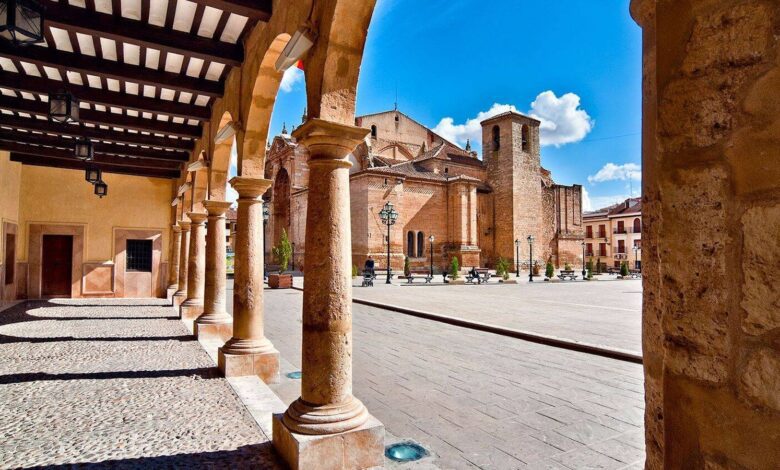
This is Villarrobledo, located in the province of Albacete, one of the largest and most historically significant towns in the region. The center of city life is the Ramón y Cajal square, recognized as a site of cultural interest. Two of the town’s most iconic buildings rise here: the Renaissance-era town hall with its austere façade and double arcade, and the San Blas church. Built in the 16th century, this church blends Gothic and Baroque elements, and houses a monumental Churrigueresque-style altarpiece from the 18th century—a true gem of art.
The economic boom in Villarrobledo during the 16th and 17th centuries left behind a rich architectural heritage that still defines the city today. In addition to its churches, the city is home to active monasteries such as Clarisas, San Bernardo, and Carmelitas. Noble houses from the 16th to 18th centuries, adorned with coats of arms, are scattered throughout, underscoring this legacy. All of it is closely tied to the region’s signature craft—making giant clay wine jars, a tradition that has flourished for over four centuries. At the Pottery Interpretation Center, housed in an old kiln, visitors can discover the process behind creating these enormous vessels that brought fame to the city.
Still, the main reason to visit Villarrobledo in winter is its carnival, recognized as a Festival of National Tourist Interest and one of the longest in Spain. For ten days, the city transforms with music, vibrant colors, and an atmosphere of pure celebration. Spectacular parades, children’s events, and a packed nightlife program draw crowds from across the country. Alongside other highlights like Holy Week and the August fair, this festival cements Villarrobledo’s reputation as a place where cultural life and traditions thrive all year round.
Incidentally, the autonomous community of Castilla-La Mancha, where Villarrobledo is located, is renowned worldwide thanks to Miguel de Cervantes’ novel about Don Quixote. This region is famous for its endless plains dotted with windmills, vast vineyards that make it the largest wine-producing area in the world by size, and its production of the famous Manchego cheese. In addition to rural landscapes, it boasts historic treasure cities such as Toledo, the former capital of Spain, and Cuenca with its famous ‘hanging houses’ recognized as a UNESCO World Heritage Site.