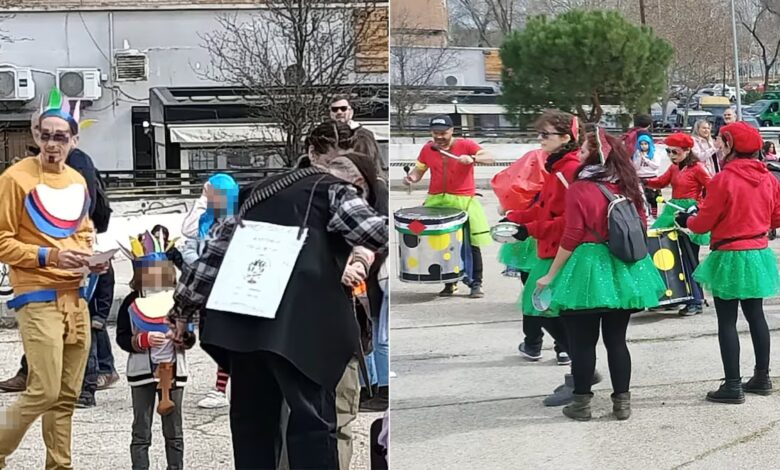
A new debate has erupted in Madrid over the organization of traditional festivals. The city council’s decision to ban the neighborhood carnival in Hortaleza came as an unexpected blow to local residents. For many, this is not just the cancellation of an event but a worrying signal about shifting attitudes toward cultural initiatives at the city level. The consequences of such a move could affect not only the atmosphere in the neighborhood but also undermine trust in local authorities.
The La Unión de Hortaleza association, which had been preparing the event for months, was met with a last-minute rejection. According to El Pais, the official reason cited was an ‘inappropriate date’—February 28—which, in the administration’s view, does not fit within the city’s official event calendar. Association representatives note that such bans are not new: since David Pérez was appointed head of the district administration, the number of rejections for public event permits has increased significantly.
Reasons behind the conflict
The city council explained its decision by stating that the carnival must be held strictly on dates linked to Christian tradition and the beginning of Lent. In a letter sent to the organizers, they noted that official city festivities ended on February 10, and holding a separate celebration almost three weeks later was deemed ‘untimely.’ However, association representatives argue that the authorities got the dates wrong: according to them, the city carnival was held from February 13 to 18, not from the 6th to the 10th as stated in the administration’s response.
Residents of Hortaleza believe such decisions not only restrict their right to cultural self-expression but also undermine trust in the principle of state secularism. In their view, the refusal to allow the celebration is an attempt to control civic initiatives and limit independent forms of leisure. In response to the ban, the association announced a ‘manifest-action’—a procession with costumes and music—to defend their right to celebrate.
A history of tension
The situation around the carnival is not an exception. Over the past year, the district has already faced conflicts between activists and the administration. Last year, local organizations complained about changes to the competition procedures for setting up holiday stalls, which they believed were made to restrict participation by critical groups. At the time, municipal representatives denied the accusations, stating that all procedures complied with established regulations.
Another reason for discontent was the exclusion of a well-known local resident, who for years organized cultural events, from the list of organizers. In addition, restrictions were imposed on the sale of food and drinks during mass events, depriving associations of one of their main sources of funding. According to activists, such measures are aimed at weakening independent groups and reducing their influence.
Double standards?
What sparked particular outrage was that similar events in other districts took place without any obstacles. Organizers point out that in Valdebebas, Christmas celebrations were allowed in November, and in January Madrid hosted two simultaneous parades of the Magi, despite the traditional date of January 5. According to Hortaleza residents, this points to inconsistency and selective policies on the part of the administration.
The La Unión de Hortaleza association insists on an immediate review of the decision and demands respect for residents’ right to hold the traditional carnival. A protest is scheduled for February 28, starting at 55 Santa Susana Street. Organizers emphasize that they do not intend to give up on their plans and will seek justice by all legal means.
In recent years, debates over organizing large-scale festivities and related restrictions have become increasingly common in Spain. In 2025, there have already been cases of traditional events being canceled for formal reasons in several cities across the country. Similar conflicts in Barcelona and Valencia have led to mass protests and discussions about the role of local authorities in supporting cultural initiatives. These situations have sparked broad public debate over the balance between administrative control and freedom of expression.