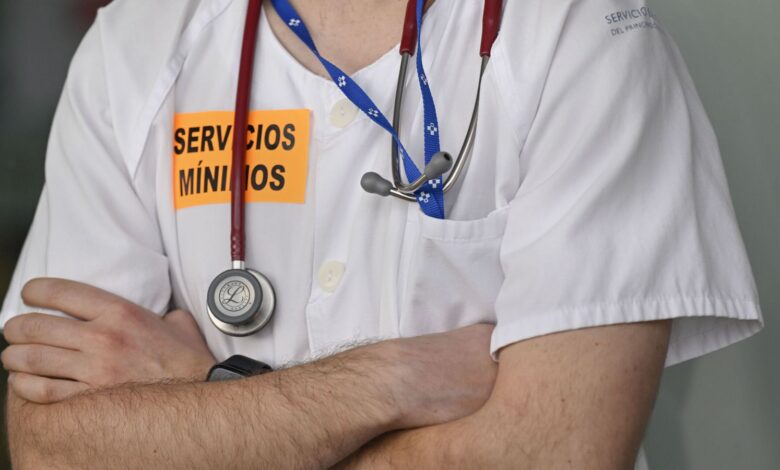
A large-scale doctors’ strike is beginning in Spain, which could impact the entire healthcare system. The decision for an indefinite protest was made after lengthy and fruitless negotiations between medical unions and the Ministry of Health. The situation has escalated to the point where doctors’ representatives see the strike as the only way to achieve change.
Syndicates uniting medical workers across the country are insisting on a revision of working conditions and demanding direct dialogue with authorities. Their demands concern not only salaries, but also working hours, as well as recognition of the special responsibility and professional risks doctors face every day. According to organizers, the current conditions are leading to a mass exodus of specialists from the public sector.
Who is behind the protest
The strike committee includes Spain’s largest medical associations, including organizations from Andalucía, Cataluña, Madrid, and the Basque Country. They emphasize that they have repeatedly tried to establish a constructive dialogue with the ministry, but the proposed solutions do not satisfy most doctors. Despite some attempts to make contact, the unions believe their demands are being ignored.
The Minister of Health stated her willingness to continue negotiations, but unions insist that without genuine change, the situation will remain at a standstill. Doctors emphasize that the strike is not an attempt to harm patients, but a necessary measure to protect the quality of medical care and the future of the healthcare system.
Dates and scale of the strike
The first wave of protests will take place from February 16 to 20, but organizers warn that if their demands are not heard, the strike will become indefinite. Doctors plan to hold monthly actions until key provisions of labor legislation are reviewed. Central issues include excessive overtime, 24-hour shifts, pay cuts, and the inability to balance work with personal life.
Unions note that many professionals are already leaving public hospitals, opting for the private sector or jobs abroad. This poses a threat to the stability of the entire system and could worsen the quality of medical services for the population.
Impact on patients
Organizers stress that their goal is not to paralyze hospital operations but to achieve changes that will improve conditions for both doctors and patients. However, in the coming weeks, disruptions to medical services are possible, especially in public institutions. Doctors urge the authorities to start urgent negotiations to prevent a further escalation of the conflict.
In recent years, Spain has already faced similar protests in the healthcare sector. In 2023, mass strikes by doctors in Madrid and Catalonia led to temporary disruptions in clinics and hospitals, as well as increased waiting times for appointments. Some of the demands were met at that time, but many issues remained unresolved. The situation in 2026 shows that systemic challenges in the sector still require attention and comprehensive solutions.