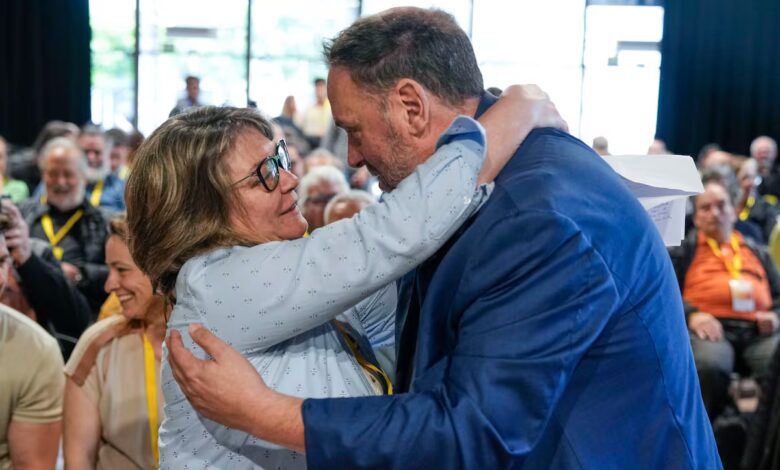
A major internal crisis has erupted within the largest Barcelona federation of the Esquerra Republicana (ERC) party. Eight members of the leadership, elected just six months ago, have announced their resignation. They cite the loss of autonomy of the regional structure and growing influence from the national leadership and the municipal group as the main reasons.
Among those stepping down are key figures, including Miquel Colomé—who previously teamed up with Creu Camacho in internal party elections—as well as current and former members of the city council and parliament. In their farewell letter, they stressed their inability to deliver on promises of democratizing processes and involving grassroots members in decision-making. According to them, the federation’s leadership was forced to obey decisions from the top instead of prioritizing the interests of local activists.
Causes of the conflict and party split
Tensions escalated after the municipal group led by Elisenda Alamany blocked the transfer of funds to the party’s district branches. This sparked discontent among activists who had expected greater financial and organizational autonomy. The crisis peaked when Creu Camacho agreed to give up part of her authority to the national center during the formation of the electoral commission, triggering mass protests and the resignation of eight leaders at once.
Internal divisions within Barcelona’s ERC have persisted since last year, when supporters of Oriol Junqueras and Marta Rovira competed for control of the party. The critics’ victory in the federation’s recent elections did not bring the much-anticipated unity: attempts to reach consensus failed, and disagreements only deepened.
Implications for the Party and the Upcoming Congress
As a result of the resignations, the party is urgently preparing for an extraordinary regional congress. In the coming month, Barcelona’s ERC will either hold a new congress or set a date for it. This comes amid preparations for the 2027 municipal elections, where the candidacy of Elisenda Alamany remains undecided — and she may yet face a challenger in the primaries.
The internal power struggle between Junqueras and Rovira supporters seems to be intensifying. Last year, tensions peaked during the elections for party president and secretary general, and now they are resurfacing in Barcelona. The question of who will lead the ticket in the upcoming elections could be the next source of conflict.
The crisis extends beyond Barcelona
Unity issues are not limited to the Catalan capital. Other cities in Catalonia are also seeing prominent party members leave. In Sabadell, former Republican spokesperson Gabriel Fernández left ERC citing ideological differences, and remains in the municipality as an independent councilor. In Tarragona, former mayoral candidate Xavier Puig, who supported a critical platform, also won the primary against a candidate backed by the national leadership.
All this points to a deep crisis of trust between the party’s regional and central structures. Internal disputes and power struggles could seriously impact preparations for future elections and the balance of power within ERC.