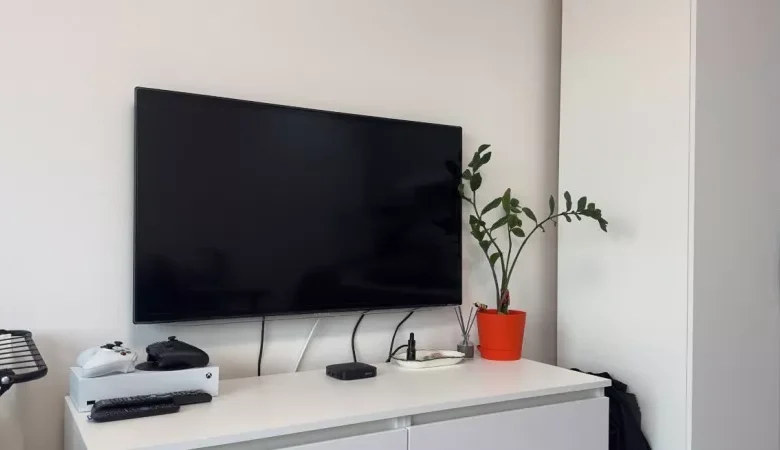
For every resident of Spain, home is more than just four walls—it’s a place of strength and renewal. Yet, all too often, we unknowingly turn our sanctuary into a source of chronic fatigue and premature aging. Some everyday items and habits, seemingly harmless, can actually drain our energy and negatively affect our appearance over time. Simply taking a closer look at your living space can bring noticeable improvements and help restore your vitality.
Getting rid of these ‘youth thieves’ doesn’t require a major financial investment, but can drastically improve your quality of life. It comes down to a mindful approach to organizing your home, which directly impacts both your physical and mental well-being. By analyzing your surroundings, you can easily identify and eliminate factors that prevent you from feeling rested and energized.
The enemy of your spine and sleep
Many people underestimate the harm of sleeping on the sofa, thinking it’s just a temporary solution. In reality, regularly resting on surfaces not meant for sleep can seriously damage your spine and affect sleep quality. This leads to morning fatigue, chronic back and neck pain, and inevitably has an impact on your posture and overall energy. A quality orthopedic mattress isn’t a luxury—it’s a fundamental investment in your health that pays off with better well-being and higher productivity throughout the day.
The same applies to clutter. Constant visual noise, like scattered items and messy surfaces, creates a subconscious sense of anxiety and chaos. The brain can’t fully relax in such an environment, which interferes with proper rest. Maintaining order helps structure not only the space but also your thoughts, freeing up mental resources for more important tasks.
Energy of the space
Overstuffed shelves, closets, and balconies crammed with old things and unnecessary souvenirs create a sense of stagnation and block the flow of fresh energy. The process of decluttering has a powerful therapeutic effect. By getting rid of the old, you make space for the new—both physically and mentally. This helps refresh your mindset and opens up new horizons.
Outdated renovations with cracked paint and faded wallpaper are also subconsciously depressing. You don’t necessarily need to start a major renovation. Sometimes, simply repainting an accent wall, updating textiles, or adding a few bright touches is enough to transform the space—and your mood with it.
Light and air
The quality of the air we breathe at home directly affects our complexion, concentration, and whether we experience headaches. Stale, dry indoor air is one of the main causes of feeling unwell. Regular ventilation, even during colder months, fills your space with oxygen. Houseplants not only decorate your home but also efficiently purify the air.
Lighting plays an equally important role. Cold, harsh light from fluorescent lamps strains the eyes, distorts skin tone—making it look pale and lifeless—and can contribute to feelings of depression. Warm, multi-layered lighting, on the other hand, creates a cozy and calming atmosphere, positively affecting the nervous system and helping you unwind after a stressful day.
A hidden threat
The habit of reheating food in the microwave saves time, but reduces the nutritional value of your meals. Moreover, using plastic containers for this purpose too often can be unsafe. Cooking fresh meals on the stovetop is not only healthier but also fills your home with appetizing aromas, creating a welcoming, homely atmosphere.
Harsh household chemicals are another enemy of youthful skin and good health. Inexpensive cleaning products with high levels of phosphates and surfactants destroy the skin’s natural protective barrier, causing dryness, irritation, and allergic reactions. Switching to eco-friendly cleaners and always wearing gloves during housework can help keep your skin healthy and well cared for.
In recent years, Spain has seen a growing interest in the concept of “bienestar en el hogar,” or “well-being at home.” This trend focuses on creating living spaces that enhance both the physical and emotional health of residents. Designers are increasingly choosing natural materials such as wood, stone, and linen, as well as embracing minimalist principles to reduce visual clutter. Special attention is given to ergonomics, air quality, and natural lighting, reflecting Spaniards’ pursuit of a more mindful and harmonious lifestyle.