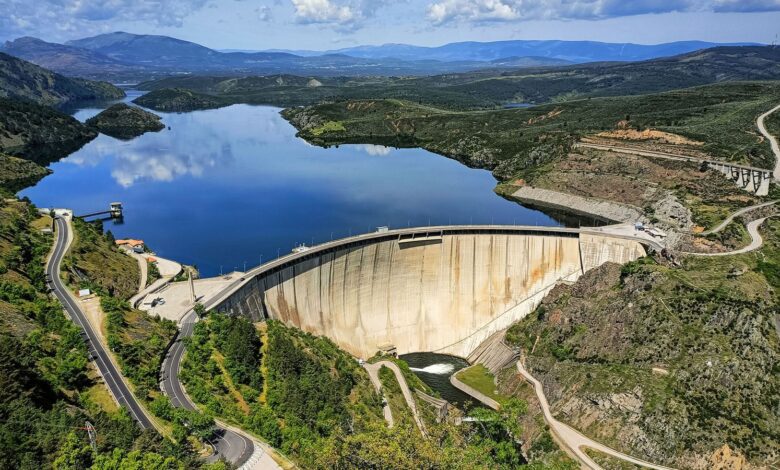
In February, Madrid residents got a rare chance to take an inside look at a strategic facility normally hidden from view. The El Atazar Reservoir, the region’s largest, opened its doors to free tours for the first time in many years. This event was directly linked to the high water level, which now exceeds average figures, as well as the anniversary of the company managing the capital’s water supply system.
The opening of the facility sparked enormous interest. All free tickets were claimed within hours. For many, it was a unique opportunity to see how the system works—one that millions rely on every day. Authorities emphasize that such events help people understand just how complex and vital the city’s water infrastructure is.
Tours and restrictions
As part of the initiative, 240 slots were offered for guided tours inside the dam. Only visitors aged 14 and above were allowed. Each tour lasted about 45 minutes and was led by specialists who explained how the system operates and its key role in supplying the region with water.
Over two days, three morning tours were held, each designed for 40 people. The first groups were provided with bus transfers from central Madrid. Advance registration was mandatory, and all slots were assigned by sign-up time. The high demand was driven not only by how rarely such events occur, but also by growing public interest in water supply issues amid climate change.
Technical details
The El Atazar dam, built in the early 1970s, can hold almost half of all the water stored in the region’s system. Currently, the reservoir’s water level exceeds 79 percent of its maximum capacity, significantly higher than last year’s figures and the ten-year average.
The structure stands out for its unique design: a double-curved arch over 120 meters high and nearly 500 meters long. Inside, eight kilometers of technical galleries allow round-the-clock monitoring of the dam’s condition. Thanks to these technologies, the facility is considered one of the safest in the country.
Regional significance
El Atazar plays a key role in supplying water not only to Madrid but also to other cities in the province. Its reliable operation ensures that even in dry years, residents do not experience shortages. Opening the site to the public became part of a strategy to increase transparency and inform people about how the water supply system operates.
Organizers note that such initiatives promote responsible water use. People who witness the scale and complexity of the facility start to think differently about resource consumption. This is especially important as climate change makes water reserves increasingly valuable.
Context and related events
In recent years, Spain has increasingly opened up key infrastructure sites for public open days. For example, in Catalonia and Andalusia, residents have also had the opportunity to visit major hydraulic engineering facilities. Such events usually spark strong interest and groups fill up quickly. In 2025, a similar initiative took place at a dam in Valencia, where tickets sold out within hours. These events are both educational and highlight the importance of conserving water amid a changing climate.