Election Day in Aragón on February 8, 2026, became one of the most talked-about events among the region’s residents. The high voter turnout and unexpected incidents at polling stations highlighted just how crucial these elections are for the future of the autonomous community. The attention to details and the atmosphere at polling places proved to be as meaningful as the results themselves.
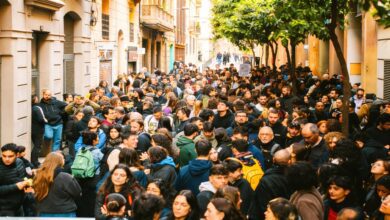
From early morning, lines began to form in various neighborhoods of Zaragoza and other cities across Aragón. At the Virgen del Pilar school, voters patiently waited for their turn to cast their ballots. The People’s Party (Partido Popular) candidate Jorge Azcón was seen here, coming to vote alongside fellow residents. At the University of Zaragoza’s Faculty of Economics and Business, voters carefully selected their ballots in booths, barely hiding their excitement.
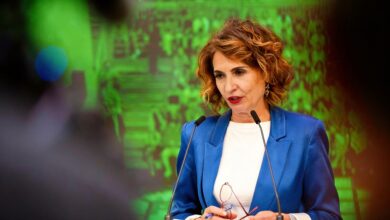
Family moments drew special attention: two young people helped their father vote, symbolizing continuity and the involvement of different generations. That same day, the Spanish Socialist Workers’ Party (PSOE) candidate Pilar Alegría visited the Goya school to fulfill her civic duty. A representative of the new Izquierda Unida–Movimiento Sumar coalition, Marta Abengochea, cast her vote at CPI Parque Venecia, while the Chunta Aragonesista candidate Jorge Pueyo voted in the town of Fonz (Huesca).
Key moments
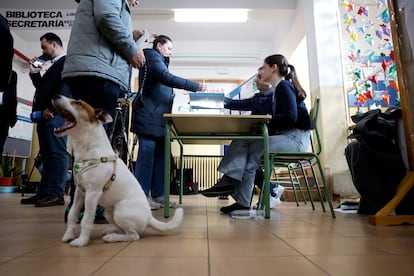
Throughout the day, both routine and unusual situations were observed. Some voters spent a long time searching for their names on the lists, some arrived at the polling station with their pets, and others took advantage of the option to mail in their ballots. At the Goya institute, a woman came to vote accompanied by her dog, drawing smiles from observers and other voters.
Election commission members began their work well before the polling stations opened. They prepared the rooms with care, checked the documentation, and maintained order to ensure every vote was counted. At IES Virgen del Pilar, they accepted ballots sent by mail, an important part of the process for those unable to vote in person.
The entire day was marked by a sense of significance. People discussed the candidates, shared their impressions, and closely followed the progress of the voting. The atmosphere at the polling stations was both tense and festive, while the participation of prominent politicians stirred even more interest.
Participation of leaders
The presence of key candidates at polling stations became a topic of its own. Jorge Ascon, Pilar Alegría, Marta Abengochea, and Jorge Pueyo not only cast their votes but also spoke with voters, adding a unique dynamic to the day. Their visits were accompanied by camera flashes and the attention of journalists.
In some cases, candidates arrived accompanied by family members or colleagues, highlighting the personal significance of the event. For many residents of the region, the opportunity to see politicians in an informal setting came as a pleasant and unexpected surprise. This strengthened their sense of involvement in an important occasion.
At the same time, some organizational challenges arose at the polling stations. There were minor delays in the opening of several sites, but commission members quickly resolved these issues. Overall, the process proceeded without serious violations, helping maintain public trust in the elections.
Ordinary and extraordinary voters
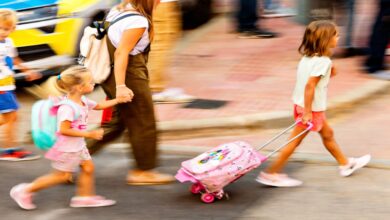
People of all ages and professions could be seen at the polling stations. Young people participated actively in the voting, while elderly voters often came accompanied by relatives. Particular attention was drawn to instances when children helped parents understand the ballots, and some voters even brought their pets with them on this special day.
There were moments during the day when voters struggled to find their names on the lists, leading to brief lines and lively discussions. However, most people reacted with understanding, seeing it as a normal part of the process. On the whole, the atmosphere remained friendly and calm.
Postal voting also played a role: many took advantage of this option to avoid missing an important event. Commission members carefully checked documents and ensured the transparency of the procedure, which helped prevent misunderstandings.
Context and experience
In recent years, Spain has seen a growing interest in regional elections, driven by changes in the country’s political landscape. Similar events in other autonomous communities, such as Catalonia and Andalusia, were also marked by high turnout and active citizen participation. In 2023, elections in the Comunidad Valenciana and Madrid demonstrated that residents increasingly view regional voting as an opportunity to influence the future of their region. Each case had its unique aspects: from queues at polling stations to unexpected encounters between politicians and voters. These events have become not only political but also social phenomena, bringing together people of different backgrounds and ages.