Natural disasters in Spain always spark concern, especially when the safety of entire communities is at stake. This time, a small municipality in the province of Granada found itself under threat after a sudden flood forced authorities to take emergency action. For the residents of Dúdar, the night turned into a tense evacuation, while for all of Andalusia it served as a reminder of how quickly nature can disrupt everyday life.
It all began with a sharp rise in the water level of the Aguas Blancas River, coinciding with an emergency water release from the Quéntar reservoir. In less than an hour, the situation in Dúdar changed dramatically: the only usual entrance to the village was cut off, leaving locals isolated from the outside world. Authorities quickly organized an alternative route through a nearby rural road to ensure a safe exit for everyone at risk.
Nighttime evacuation
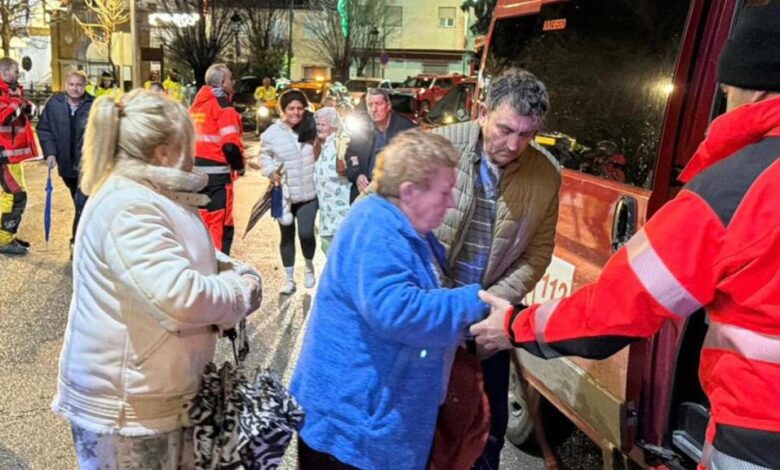
In the middle of the night, as most people were getting ready for bed, fire trucks and special vehicles began moving through the streets of Dúdar. Emergency workers and civil protection officers coordinated efforts, helping residents gather their belongings and board prepared buses and trucks. Special attention was given to the elderly and those with limited mobility: they received assistance not only when boarding but also with carrying their luggage, minimizing stress and physical strain.
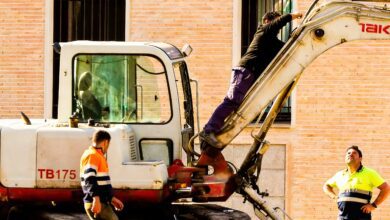
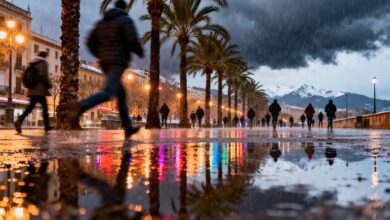
A convoy of several vehicles, accompanied by heavy machinery, slowly moved toward Granada. Road crews led the way, clearing the aftermath of the storm and ensuring travel safety. Authorities had issued an early warning to residents about the need to evacuate, explaining that a night in a hotel was a temporary measure required for their own safety.
Organization and Support
The entire operation was overseen by local authorities and provincial administration officials. Emergency services leaders arrived on site in person to assess the situation and support residents. Despite challenging weather conditions and damaged roads, the evacuation was calm and well-coordinated. People were accommodated in one of Granada’s hotels, where they received everything needed to rest and spend the night.
Special attention was paid to communication: before the evacuation began, officials spoke with every resident, explaining the reasons and possible risks. This helped prevent misunderstandings and ensured everyone was as prepared as possible to relocate. Within a few hours, all 120 people were safely taken out of the danger zone.
Aftermath and Response
The events in Dudar served as yet another reminder of how vulnerable small communities are in the face of natural disasters. The Granada authorities have already stated the need to review safety measures and improve infrastructure to prevent similar situations from happening again. For many residents, this night was a test, but also an example of how quickly and efficiently rescue services can respond.
Throughout the night, representatives of the administration and emergency services remained on site, monitoring the situation and assisting those in need of extra support. After the evacuation, crews began clearing the roads and assessing the damage so residents could return home as soon as possible.
Context and similar cases
In recent years, Spain has increasingly faced extreme weather events leading to floods and mass evacuations. In 2024, a similar situation occurred in Murcia, where heavy rains forced authorities to temporarily relocate hundreds of residents. Comparable measures were taken in Valencia, where entire neighborhoods were evacuated due to overflowing rivers. Each such incident sparks discussion about the need to modernize alert systems and reinforce dams. Regional authorities are increasingly investing in prevention and public training to minimize the impact of such disasters. Despite the challenges, Spanish rescue services consistently demonstrate a high level of preparedness and the ability to operate effectively under the most difficult conditions.