Barcelona in 2026 faces challenges impacting every resident: population growth, housing shortages, and pressure on infrastructure. A new exhibition at Casa de l’Arquitectura has sparked conversations about how the city is adapting to these changes. The display ‘Barcelona, diversidad, intensidad, complejidad’ doesn’t just tell the story of Catalonia’s capital—it deconstructs familiar perceptions using striking visuals and real data.
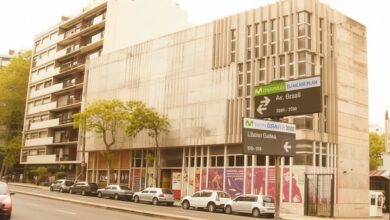
As El Pais notes, the exhibition is housed in the former Gustavo Gili publishing building, now a focal point for this year’s architectural events. Visitors are immediately confronted with thought-provoking questions: who shapes the city, how is its structure evolving, and why does Barcelona remain attractive to new generations? The organizers—a team of a demographer, urban planner, geographer, and architect—approach the subject from multiple perspectives to show that a city is not just buildings, but a complex web of human relationships.
Migration and diversity
One of the exhibition’s main themes is the historical role of migration. Demographic panels show that the influx of new residents is not a recent trend, but an ongoing process dating back to the 19th century. Each new wave of migration has transformed Barcelona, bringing fresh ideas and traditions. Without young newcomers, the average age of residents would have long surpassed 50. Diversity has become the foundation of the city’s social and cultural dynamism.
The exhibition presents precise figures: every day, more than 2.6 million people move around Barcelona, with only half of them being local residents. The rest are labor migrants, visitors, and tourists. Mobile data analysis shows that transport hubs like Sants station or Plaça Catalunya handle millions of people daily. This confirms that the city is in constant motion and its population is far from homogeneous.
Urban density and infrastructure
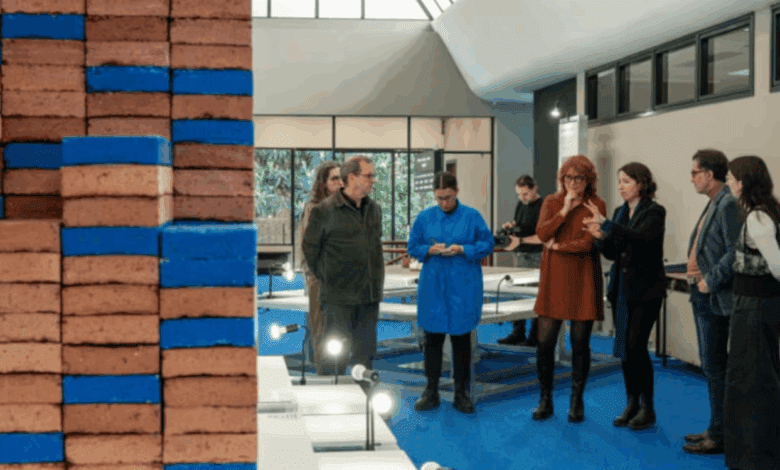
The second part of the exhibition explores the intensity of urban environment usage. It clearly demonstrates how the density of development affects quality of life. Three brick models illustrate different types of urban fabric: from low-rise neighborhoods to compact districts like Eixample or Gràcia. In compact areas, housing, shops, and public spaces are located close together, making infrastructure easily accessible. However, high density also leads to a shortage of green zones, which is becoming a new challenge for the metropolis.
Organizers emphasize that maintaining public spaces requires significant resources, which residents rarely consider. The intensity of city life is not only an advantage but also a challenge for the municipality. Decisions made today will determine how comfortable Barcelona will be for future generations.
The complexity of the urban system
The third section of the exhibition explores the idea of the city as a complex system. Barcelona is not just a collection of streets and buildings, but a network of connections between people, structures, and events. Every resident and visitor becomes part of this framework, shaping its evolution. The city adapts to crises—whether it’s a pandemic, economic downturn, or drought—and is constantly seeking a balance between order and chaos.
In the final part of the exhibition, visitors are invited to reflect on their own role in the urban environment. Interactive tasks help reveal how personal experiences shape our perception of the city. This approach makes the exhibition not only informative but also emotionally engaging.
In recent years, Spain has seen a growing number of projects that reinterpret urban space through data and personal stories. For example, exhibitions in Madrid and Valencia have focused on migration and urban density, also employing interactive formats. These initiatives offer residents new perspectives on familiar spaces and help them understand how their city is changing under the influence of both global and local processes.