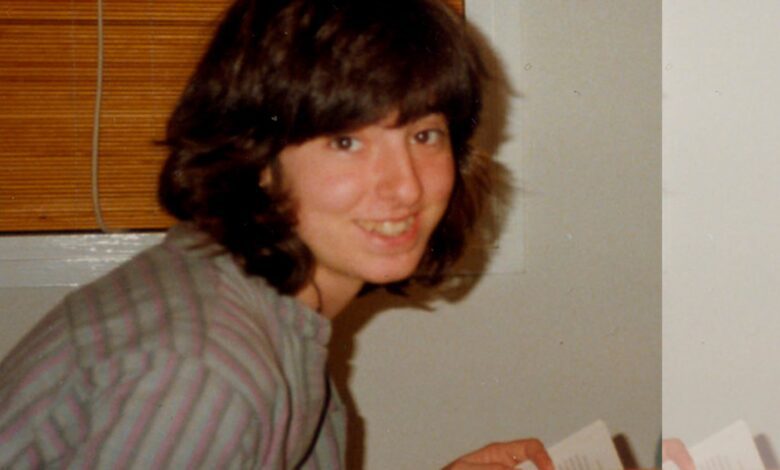
This news is important for all Spaniards, as the handwriting analysis has changed the course of a long-running case and will influence the next investigative steps. Dismissing the version about the authorship of the notes could accelerate the closure of the investigation phase and bring the prosecution closer to trial. For the people of Catalonia and the justice system, this marks a new stage in the struggle for evidence.
According to El Pais, a National Police forensic examination analyzed two handwriting samples, comparing them to the handwriting of Santri L’Aiglesia, the main figure in the Helena Jubany case. In one instance, investigators lacked enough elements to reach a definitive conclusion, while in the second, the analysis directly excluded a match. These findings were requested by the private side representing the family of the deceased.
The forensic analysis results are among the last procedures in a case that has dragged on for nearly a quarter of a century. Last November, the investigation led to the temporary detention of a suspect after DNA matching was found on the victim’s clothing. However, after 41 days, he was released on appeal by his attorney, who maintains a consistent defense.
The court gave the family five days to file objections and to decide whether another forensic analysis was needed before closing the investigation phase. The family’s lawyer, Benet Sallesas, announced there would be no further requests for evidence and said they intend to present the charges as soon as possible. This means the investigation may proceed to the next stage with the existing materials.
The case officially still involves two people: Santri Laiglesia himself and Xavi Jiménez. For the latter, expert analysis does attribute part of the authorship of two anonymous messages received by Helena in September and October 2001. These messages took the form of puzzles and were related to incidents where drinks were tampered with.
In one case, the young woman was served horchata, in another — peach juice; after consuming them, she felt severe drowsiness and sent samples for laboratory analysis. The tests revealed benzodiazepines in the remnants of the drinks — the same substance detected by the forensic expert in her body after the fall from the Sabadell rooftop. The report concluded that the victim “must have been in a state of sleep or deep lethargy” at the moment she was thrown from a height.
The location where the body was found was not Helena’s residence, but it was home to Montse Careta — a former inmate who was arrested in 2002 and later died in prison; she was in a relationship with Laiglesia and shared contacts within the Unió Excursionista de Sabadell (UES), where Yovani also mingled. These connections helped investigators reconstruct possible routes of contact and motives.
Over the years, the course of the investigation has changed more than once: new expert analyses appeared, evidence was found or excluded, and procedural disputes frequently arose. The shift in the version regarding the letters reduces pressure on one of the defendants, but it does not answer all the questions about the evidentiary basis and motives for the crime. The next steps will depend on the stance of the private prosecution and the actions of the investigating judge.
From a legal perspective, what matters now is that the court has given the family a final deadline for additional motions: either to request more expert assessments or to close the preliminary investigation stage. Should the prosecution decide to file the final indictment, this could lead to a court date being set, where all available evidence—including DNA and handwriting analysis—will be examined.
It is worth noting that the topics of lengthy investigations and inconclusive evidence also appear in other high-profile cases; for instance, readers found it useful to compare these courtroom complexities to the story of an officer’s departure following political events, which was covered in the article about the captain’s escape after 23-F, where complex procedural changes and concerns over the preservation of evidence were also highlighted.
At the same time, the investigation into the Helena Jubany case relies on collected evidence related to beverages, laboratory results, witness testimonies, and information about the victim’s circle in Sabadell. The clearer the prosecution’s case, the sooner the trial will move to court and the more transparent the possible scenarios for the Spanish legal system will become.
Reference note: In Spain, there are known cases with lengthy investigation phases and subsequent evidence reviews, where new technical analyses have altered the sequence of events. There have been instances where DNA has been linked to objects years later, and handwriting examinations have led to conflicting conclusions. Such proceedings typically triggered further legal disputes and required thorough coordination of forensics; public attention and debate over procedures ultimately influenced the speed of decisions and shaped the expectations of victims’ families.