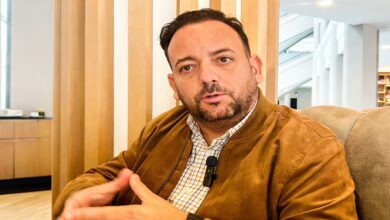
The issue of extending the eviction ban has once again become a focal point in Spanish politics. The Secretary of State for Housing and Urban Agenda, David Lucas, reminded that the future of this measure directly depends on the decision of the Congress of Deputies. The moratorium, introduced at the height of the pandemic and repeatedly extended, is in force until December 31, 2025. However, any possible extension will require not only political will but also majority support in parliament.
The situation is further complicated by increasing pressure in recent months from left-wing parties such as Sumar and Podemos, who insist on the need to maintain protections for vulnerable tenants. At the same time, government representatives stress that any decisions must only be made after thorough consultations with parliamentary groups. Lucas noted that in the past, extensions were always approved at the last minute, but this time the situation could be different.
Parliamentary debates
The debate over the future of the eviction moratorium has become one of the most heated topics in the Spanish parliament. Lucas emphasized that implementing such measures requires broad support among deputies. According to him, state intervention in the housing market always sparks controversy and demands compromise between various political forces.
During a recent discussion titled ‘Access to Housing: A European Challenge,’ organized by Fundación Alternativas, Lucas highlighted the difficulty of reaching consensus among the many different factions. He noted that any initiatives affecting citizens’ rights or involving direct market regulation must be based on a solid parliamentary foundation.
New Regulatory Approaches
In the discussion on the future of housing policy, Lucas spoke about the government’s efforts to introduce mechanisms that do not require mandatory parliamentary approval. This approach helps avoid lengthy debates and potential deadlocks. In particular, the measures focus on supporting tenants and encouraging long-term rentals.
Special attention is being paid to preventing a massive shift of apartments from the long-term rental market to tourist accommodation. According to Lucas, only close cooperation among the government, the autonomous communities, and the private sector can curb this trend. He also emphasized that Spain’s housing market requires specific regulation, since many issues remain unresolved without government intervention.
Funding and Housing Protection
Among the key innovations in housing policy, Lucas pointed to the increased share of public funding in joint projects with the autonomous communities: now, the state covers 60% and the regions 40%. This is expected to improve the effectiveness of programs aimed at building and preserving affordable housing.
In addition, special priority is given to preserving the status of subsidized housing (VPO) built with public funds. The new regulations provide ongoing protection for such properties, ensuring they remain on the market and continue to fulfill their social function for many years.
Political outlook
The debate over extending the eviction moratorium has become a litmus test for Spain’s political system. On one hand, left-wing parties are calling for maximum protection for tenants. On the other, business representatives and some centrists fear excessive intervention in the market. In the coming months, parliament will have to make a decision that will determine the fate of thousands of families and impact the balance of interests between property owners and tenants.
For now, the government is holding back from making specific promises, preferring to negotiate and seek compromises. As in previous years, the final decision will be made at the end of the year, when tensions in parliament reach their peak.
Notably, David Lucas has served as Secretary of State for Housing and Urban Agenda since 2023. He is known as a proponent of active government involvement in addressing housing issues and has repeatedly advocated for expanding tenant support programs. Under his leadership, the ministry has launched a number of reforms aimed at stabilizing the market and protecting socially vulnerable groups.