Spanish Science at a Crossroads: Challenges and Expectations
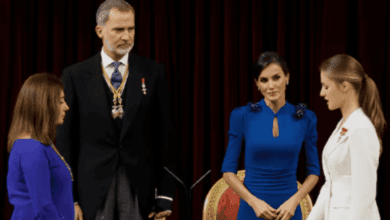
Valencia hosted the prestigious Rey Jaime I awards ceremony, honoring the country’s leading scientists and entrepreneurs. The event, held at the historic Lonja de los Mercaderes, brought together top researchers, government officials, and King Felipe VI. This year, the spotlight was not only on the achievements of the winners, but also on concerning trends that could impact the future of science in Spain and beyond.
The king noted that the current geopolitical climate is becoming increasingly unfavorable for international scientific exchange. According to him, this could lead to waning interest in scientific careers and reduced support for research initiatives. At a time when global challenges demand joint efforts, such restrictions are especially dangerous.
This year’s awardees, including four women, unanimously stated that investing in science is not a luxury, but a necessity for society. They stressed that only through advancing research and innovation can a sustainable future be secured and new threats addressed.
Funding and Coordination Challenges
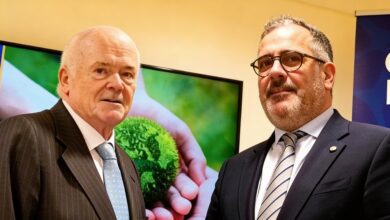
A key topic of the ceremony was the lack of funding and insufficient coordination between different levels of government. The head of the prize foundation, Vicente Boluda, reminded attendees that Spain and Comunidad Valenciana are still lagging behind European standards in terms of scientific investment. He called for research and development spending to be increased to 3% of GDP by 2030, so as not to be left on the sidelines of scientific progress.
Special attention was given to the aftermath of the devastating rains (dana) that recently hit the region. The king expressed his support for the victims and noted that many residents are still grappling with the consequences of the disaster. Boluda, for his part, criticized the lack of unity among government bodies, which hinders effective recovery efforts and deepens public mistrust in authorities.
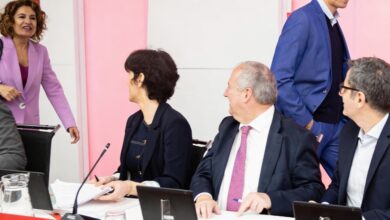
The ceremony was attended by key figures: Minister of Science, Innovation and Universities Diana Morant, Vice President of the Valencian government Susana Camarero, and the government delegate Pilar Bernabé. The head of the autonomous community, Carlos Mazón, was unable to attend.
The laureates and their contribution to the future
This year, the awards went to: José Luis Mascareñas Cid for fundamental research, Jan Eeckhout for achievements in economics, Nuria López-Bigas for accomplishments in biomedicine, Victoria Reyes García for contributions to environmental protection, María Jesús Vicent Docón for new technologies, Damià Tormo Carulla for entrepreneurial discoveries, and Silvia de Sanjosé Llongueras for research in clinical medicine and public health.
Speaking on behalf of all the laureates, María Jesús Vicent Docón emphasized that only an integrative approach to science can meet challenges like climate change, pandemics, social inequality, the energy transition, and the digital revolution. She called on society to support researchers and entrepreneurs who take risks for the common future, as well as to simplify bureaucratic procedures and lower barriers to scientific activity.
Education and new initiatives
As part of the visit, Felipe VI also inaugurated the new academic year at the University of Valencia (Universitat de València). This event was originally scheduled for September but was postponed due to heavy rains. The king drew attention to dangerous trends in global politics that undermine established order and democratic values. As an example of resisting these processes, he pointed to university programs and international exchanges like Erasmus, which promote the development of an open society.
Valencia Mayor María José Catalá thanked the royal family for their support during difficult times and called for greater efforts to spark scientific interest among young people. She also proposed updating the development plan for the city’s southern districts to improve resilience against natural disasters.
Among the new initiatives, special mention was given to a project aimed at restoring photographs damaged by the flood, which will help preserve the emotional heritage of thousands of local residents. This move has become a symbol of Valencia’s care for both its past and its future.