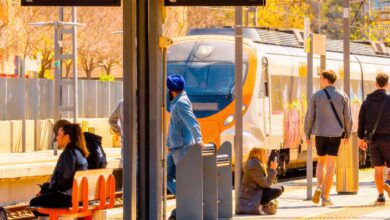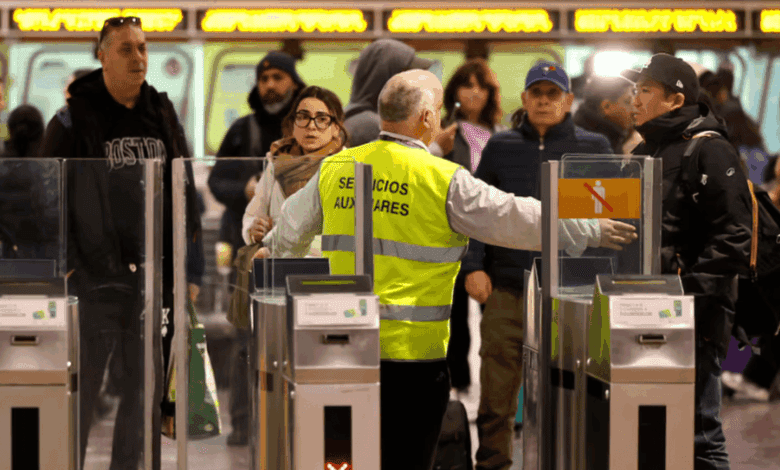
Barcelona’s transport system came under strain due to a strike by the drivers of Ferrocarriles de la Generalitat de Catalunya (FGC). This event was particularly impactful for both residents and visitors, as it coincided with the Mobile World Congress, the world’s largest international mobile technology forum. Train disruptions affected not only daily commuters but also thousands of congress attendees, heightening concerns over transport accessibility in the region.
The protest was initiated by the Sindicato Español de Maquinistas Ferroviarios (Semaf), which called a five-day strike on key dates: February 24 and 25, as well as March 2, 3, and 4. On the very first day of the strike, demand for FGC services dropped by nearly 10%, and by up to 10.5% on certain lines. Although participation in the strike involved less than 9% of staff, the drivers proved to be critical for the system’s operation, causing significant timetable disruptions and longer waiting times for trains.
Internal disagreements
The situation became more complicated because not all unions backed Semaf’s initiative. The company committee consists of 23 members from various associations, but only Semaf insisted on continuing the protests. This surprised FGC management, as Semaf is not considered the largest staff organization. UGT representatives accused Semaf of trying to undermine the company’s reputation by using the strike as a pressure tactic.
At the same time, according to El Pais, Semaf representatives insist that over the past three years, several incidents occurred at FGC for which only the train drivers were held responsible. They say previously identified technical and organizational issues remain unresolved, and demands to improve working conditions and safety have gone unanswered.
Safety concerns
Safety concerns have become the main reason for the drivers’ dissatisfaction. According to the union, current working conditions pose risks for both staff and passengers. Semaf claims that repeated appeals to management have failed to bring real changes, while several accidents and technical failures have only worsened the situation. In response to the protests, FGC management stated that the strike had minimal impact on overall passenger flows. However, statistics show the opposite: demand has dropped and user dissatisfaction is on the rise.
Other unions have also joined the Semaf protests. CCOO announced its own actions for March 2, 3, and 4, citing stalled collective bargaining talks and the failure to fulfill previous agreements. This has added further tension to worker-management relations and increased uncertainty for passengers.
Impact on the city
The strike during the Mobile World Congress put Barcelona’s transport infrastructure to a serious test. Event organizers and city authorities were forced to seek alternative solutions to ensure mobility for both visitors and residents. According to El Pais, many passengers faced delays and overcrowded trains, while some opted for other means of transport.
In November, FGC will hold elections for the trade union committee, which may shift the balance of power within the company. For now, the situation remains tense as safety and working conditions continue to spark disputes between employees and management.
In recent years, Spain has repeatedly faced strikes in the transport sector. For example, in 2024, similar Renfe train drivers’ protests resulted in mass train cancellations across the country. At that time, demands for better working conditions and safety were also at the core of the action. Such protests often coincide with major events, amplifying their impact on the economy and daily life in cities. Issues of safety and labor rights compliance remain among the most pressing for railway workers.