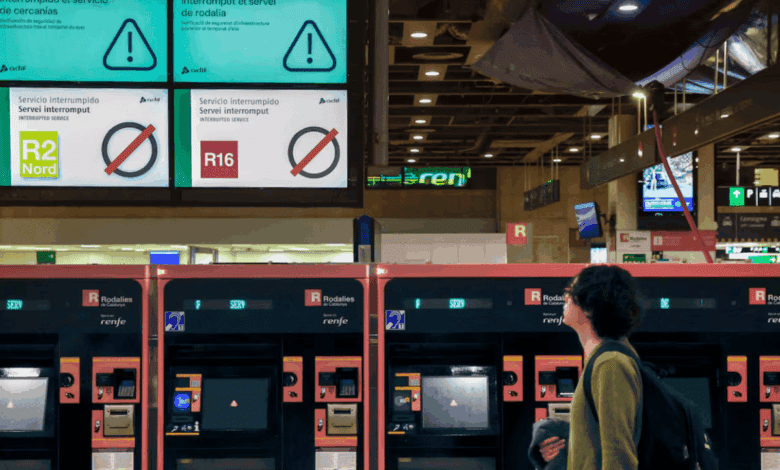
A large-scale strike by Ferrocarriles de la Generalitat (FGC) train drivers has started in Catalonia, causing notable disruptions to train service and increased passenger numbers at key stations within just the first few hours. The situation is affecting thousands of residents and visitors, forcing them to change their usual routes and adapt to new schedules. Regional authorities have been compelled to impose strict restrictions in an effort to lessen the negative impact on transportation and the economy.
The strike, organized by the Semaf union, affects the Llobregat-Anoia and Barcelona-Vallès lines, which serve a significant share of daily passengers in Barcelona and surrounding suburbs. The Lleida-La Pobla line continues to run on its regular schedule. Train drivers cite safety concerns as the reason for their protests; however, FGC management disputes their claims, considering the demands unfounded. According to El confidencial, the Semaf union holds 13% of seats on the company committee, yet its actions have triggered the current crisis.
Restriction schedule
On Monday and Tuesday, February 24 and 25, FGC is operating with minimum services: during peak hours (6:00 to 9:00 and 16:00 to 18:00), only half the usual trains are running. During nighttime periods—from midnight to 3:00 and from 23:00 to midnight—the number of services is reduced to a quarter of the standard schedule. These measures have been approved by the Catalan Department of Business and Labor and are mandatory for all company employees.
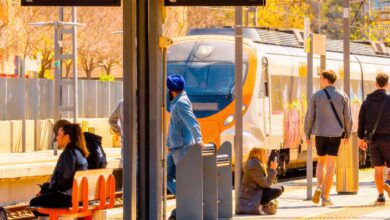
Passengers are advised to check the latest updates in advance on the official FGC website, in the mobile app, and on social media. On the very first day of the strike, train carriages were overcrowded at stations, and lines formed, especially during morning and evening rush hours. The reduction in train frequency during peak periods led to crowding on platforms and delays.
Impact on major events
There is particular concern that the strike coincides with the Mobile World Congress (MWC) in Barcelona—the largest international forum in mobile technology, attracting over 100,000 participants annually. On March 2, 3, and 4, when the highest attendance at the exhibition is expected, authorities have raised the minimum service level to 66% during peak hours and 33% the rest of the time. This measure aims to prevent a transport collapse and ensure at least partial mobility for MWC guests and staff.
According to FGC estimates, on the Llobregat-Anoia line alone—which connects the city center with the exhibition center—passenger traffic could increase by 17% compared to regular days. The strike has also been joined by other unions such as CCOO, while UGT declined to support the protest. The company employs a total of 2,140 people, but the main participants in the strike are train drivers.
Response and consequences
The situation with rail transport in Spain has become increasingly tense in recent years. Not long ago, a major train drivers’ strike led to the cancellation of hundreds of services and caused serious disruptions across the country. According to in material about previous transport protests, such strikes cause not only inconvenience for passengers but also significant economic losses for businesses and the service sector.
This time, the authorities of Catalonia are trying to minimize the damage by promptly informing the public and adjusting schedules. However, many residents and visitors of the region have already experienced difficulties: queues have grown longer, waiting times have increased, and some routes are now unavailable. According to El confidencial, the situation may worsen if additional groups of workers join the protest or if negotiations between the unions and FGC management reach a deadlock.
In recent years, Spain has regularly faced strikes in the transport sector. In 2024, similar protests by train drivers led to mass train cancellations and temporary restrictions on key routes. Passengers had to look for alternative ways to travel, while transport companies suffered losses. Such events highlight the importance of dialogue between workers and management, as well as the need for timely information for citizens about any schedule changes.