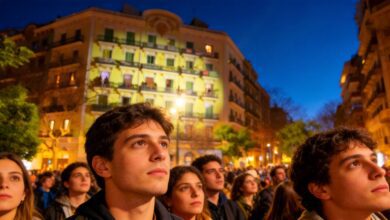
This coming Saturday, September 13, Spain will once again host one of the year’s most vibrant cultural events. Fifteen cities recognized as UNESCO World Heritage Sites will open their doors to everyone eager to experience history and contemporary art at the same time. Among them is Toledo, once home to Cervantes and the final destination of Christopher Columbus.
That evening, historic streets and squares will come alive: museums, palaces, churches, and other iconic sites will operate on a special schedule. Visitors will enjoy free admission to legendary landmarks such as the Alcázar de los Reyes Cristianos in Córdoba, the famous hanging houses in Cuenca, the city walls of Ávila, and the Basílica de Santa María de los Reales Alcázares in Úbeda.
The organizers have divided the program into three parts. The first—”Open Heritage”—invites everyone to explore historical monuments without restrictions. The second—”Living Heritage”—will fill the cities with concerts, guided tours, exhibitions, and festive events that highlight the uniqueness of local traditions and intangible heritage.
This year, special attention is given to contemporary choreography. As part of the ‘Heritage Stage’ program, renowned dancers and choreographers from various countries will perform at unique venues. The theme for this year is ‘Intimate Traces’, with fifteen performances scheduled, eight of which will premiere. Venues include a historic theater in Alcalá de Henares, halls in Córdoba, a fortress in Mérida, and the Alcázar in Segovia.
For the eighth year in a row, this festival connects the past and the present, giving thousands of locals and visitors a new perspective on Spain’s cultural richness. The Night of Heritage has become a hallmark event in the country and one of the most prominent features on the European cultural calendar.