A troubling situation has unfolded in Sevilla: an outbreak of influenza A has been reported at a local nursing home, resulting in the deaths of three elderly residents. Six other residents and one staff member have also contracted the virus. Authorities have taken immediate action to prevent further spread, but anxiety continues to grow among relatives and staff.
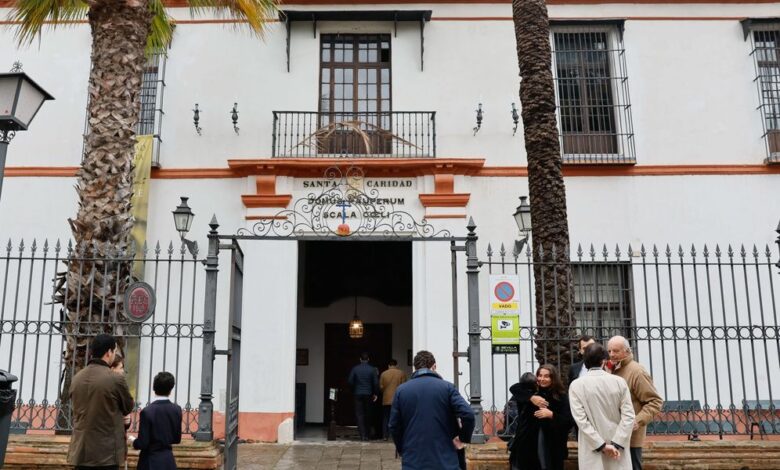
The outbreak occurred at the residence attached to Hospital de la Santa Caridad, where the illness struck ten people in a short period. Five had to be hospitalized and, despite doctors’ efforts, three passed away. The others continue to receive treatment; their condition is reported as stable, but tensions remain high.
Emergency measures
Sevilla’s public health service promptly activated special protocols. All additional activities and visits to the facility have been temporarily suspended. Even the traditional holiday event featuring Hermandad del Baratillo de los Reyes Magos, scheduled for the coming days, was canceled at the nursing home administration’s request. Gifts for the elderly will now be distributed by staff to minimize any contact with the outside world.
This approach mirrors the strict measures taken during the COVID-19 pandemic. Authorities admit that experience from recent years has shown only strict isolation and rigorous controls can break the chain of infection in such settings. However, for many elderly residents and their families, this means further isolation and loneliness, which has sparked considerable debate and dissatisfaction.
Public Response
Relatives of the residents are expressing concern not only about the outbreak itself, but also about the restrictions that are once again returning to their lives. Many fear that extended isolation and lack of familiar activities will negatively impact the elderly both mentally and physically. On social media, there are already calls to find a balance between safety measures and the need for human interaction.
Healthcare workers, meanwhile, emphasize that when an A-type flu virus can spread rapidly among vulnerable groups, any relaxation of measures could result in new tragedies—especially since such facilities house people with weakened immune systems and chronic illnesses.
Systemic Challenges
The events in Sevilla have once again raised questions about the healthcare system’s preparedness for such outbreaks. Despite the experience gained from fighting infections, each new case demands a swift response and a review of established protocols. This time, authorities acted as quickly as possible, but casualties could not be avoided.
The situation at Hospital de la Santa Caridad’s nursing home has been a stark reminder of just how fragile safety is for the elderly during epidemics. Even with all modern protection and monitoring measures in place, viruses can still find gaps—and the consequences can be tragic.
What Happens Next
Strict quarantine measures remain in place at the institution, with healthcare workers closely monitoring everyone who had contact with those infected. Authorities have pledged to keep the situation under control and provide ongoing updates to the public. Yet for many families, this brings little comfort: fear for their loved ones and uncertainty about the future have once again become part of daily life.
The A-type flu outbreak in Sevilla is more than just a local tragedy—it’s a warning for the entire healthcare system of Spain. Issues of prevention, vaccination, and the protection of vulnerable groups are once again taking center stage. For now, it seems, there is no room for complacency.