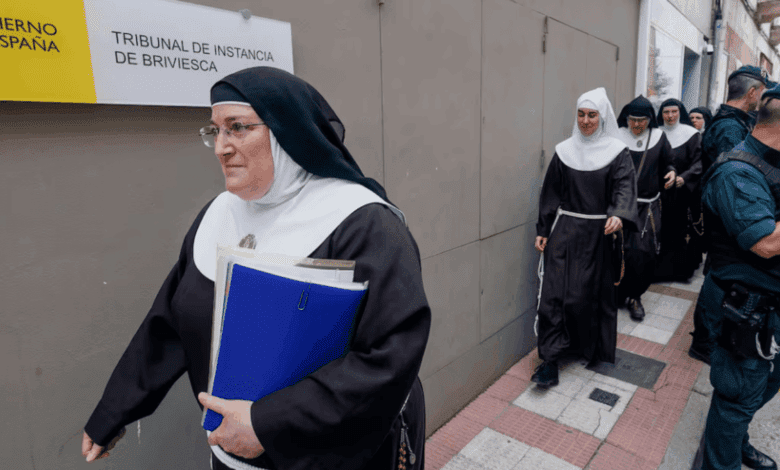
On Thursday, Spain’s Civil Guard arrested Laura García de Viedma, the former head of the Belorado monastery (Belorado, Burgos). The operation followed a search that lasted from morning until evening. The ex-abbess is suspected of misappropriating and selling items of historical value belonging to the monastery. Investigators are also looking into possible cases of these relics being sold off.
The case has come to light amid a conflict between a group of nuns and the Catholic Church. Several months ago, ten sisters were excommunicated after openly opposing Vatican decisions. As a result, they lost the right to remain in the monastery they had occupied for many years. At the heart of the court battles are not only issues of faith but also disputes over property.
Legal battles and fresh allegations
The court in Briviesca is conducting a preliminary investigation into the sale of artworks belonging to the monastery. The complaint was filed by someone not involved in the convent’s internal conflicts. The case examines the circumstances of selling 1.7 kilograms of gold for €121,000, as well as possible fraudulent actions in leasing the monastery in Derio (Derio, Biscay) to a German businessman.
Laura García de Viedma, formerly known as Sister Isabel de la Trinidad, was detained after a thorough search of the monastery premises. In recent months, this is where the nuns at the center of the high-profile dispute with church authorities had been staying.
Confrontation with the Church and Consequences for the Community
Tensions around the Belorado monastery escalated after the nuns refused to recognize the authority of the Archbishop of Burgos, Mario Iceta. Church authorities insisted they vacate the premises, arguing that following their excommunication, they no longer had the right to remain at a religious institution. In response, the former nuns accused the diocese leadership of pressure and injustice.
The conflict sharply escalated after the women placed themselves under the guidance of individuals whom the Catholic Church considers false pastors and sect leaders. In mid-2024, the former nuns published a so-called ‘Catholic Manifesto’ rejecting the teachings adopted after the Second Vatican Council and refusing to recognize any of the popes who held office after John XXIII. They called Pope Francis a heretic.
Gold Sale and Monastery Rental: Details of the Investigation
Judicial authorities are examining two key episodes: the sale of gold and the rental of the monastery in Derio. Investigators are determining whether these actions broke the law and who benefited from the deals. The main focus is on financial flows and what happened to the proceeds from the sale of church property.
Meanwhile, legal battles continue over the eviction of former nuns from the monasteries in Belorado and Orduña (Orduña, Biscay). The latter is home to five elderly sisters and several young women who care for them. Last week, a court in Bilbao notified them that they must vacate the premises, as had already happened in Belorado.
The future of the monastery and the fate of the community
So far, neither side has achieved a decisive victory in the legal disputes. The former nuns continue to fight for the right to remain in the monasteries, while church authorities insist on their eviction. The investigation into the sale of relics and gold is ongoing, and new details may emerge in the near future.
The arrest of Laura García de Viedma is the latest chapter in a series of conflicts between the Church and the former nuns. Questions of property, faith, and the right to live in the monasteries remain unresolved and continue to spark widespread public debate.