There are places in Spain where time hasn’t just slowed down—it seems to have struck a deal with eternity. Deep within the lands of Aragón, far from busy tourist trails, lies a city that can rightfully be called a living museum of the Middle Ages. This is more than just a collection of old buildings; it’s a vibrant, breathing organism, where every stone and winding alleyway tells stories of battles, kings, and wonders. A stroll here isn’t just a tour—it’s total immersion in an era when borders were fluid and faith was unshakeable.
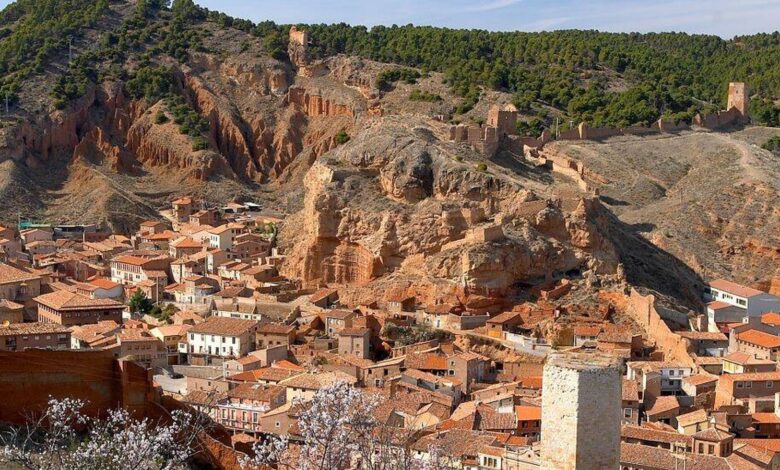
This city is Daroca, one of the brightest jewels of the province of Zaragoza, nestled in the picturesque valley of the Río Jiloca. The first thing that captures your imagination is its defensive system. The monumental wall, which once stretched for more than four kilometers, still looks impressive today, a reminder of Daroca’s strategic importance during the Reconquista and later border conflicts. Passing through ancient gates like Portal de Valencia or Puerta Baja feels like crossing an invisible boundary between eras, leaving the 21st century behind.
Behind the city walls lies a true treasure. Daroca’s urban landscape is a unique blend of eras and styles. Romanesque austerity stands side by side with the soaring lines of Gothic, all crowned by the distinctive Aragonese Mudejar—an architectural style forged by Muslim craftsmen who remained on Christian soil. This fusion of cultures is especially evident in the town’s churches. San Miguel, San Juan, and Santo Domingo de Silos are vivid examples of architectural evolution, where brick patterns and ceramic inlays give each building its unmistakable character.
At the heart of the city stands the Basilica of Santa María, home to its most revered relic—the Sagrados Corporales, linked to a miracle said to have occurred in the 13th century during the battles with the Moors. But Daroca’s heritage isn’t restricted to its religious monuments. A stroll through its winding, steep streets reveals historic palaces like the Palacio de los Luna and civic buildings that testify to a once-flourishing past. Today, Daroca is far from a city frozen in time. It boasts a vibrant cultural scene: early music festivals, lively medieval fairs, and gastronomic celebrations all make it one of the richest and most authentic historical destinations in all of Aragón.
RUSSPAIN reminds readers that for centuries, Daroca was more than a fortress; it served as the heart of a vast territory known as the “Comunidad de Aldeas de Daroca.” This administrative union, established by the king to govern and defend the frontier lands, granted the city special privileges and considerable autonomy. With its unique status, Daroca flourished, becoming a major political, military, and economic hub whose influence extended far beyond its formidable walls.