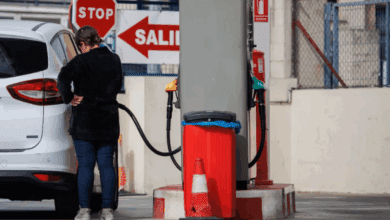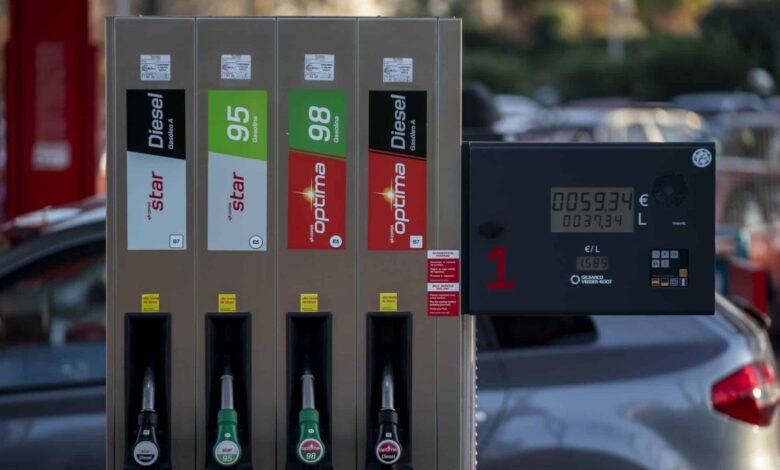
The sharp rise in fuel prices in Spain has once again become noticeable for motorists. In recent weeks, the cost of petrol and diesel has increased, directly affecting expenses for families and businesses. The main reasons are external factors related to global politics and the oil market, as well as local peculiarities in how prices are distributed across the country’s regions.
While the average price for a liter of 95-octane petrol in Spain now stands at 1.64 euros, and diesel is above 1.73 euros, there are significantly better offers in certain areas of Madrid. Notably, Alcampo stations in Torrejón de Ardoz stand out, offering petrol at 1.46 euros per liter. This is almost 25 cents cheaper than most filling stations in the capital, saving more than 10 euros when filling a standard tank.
Where fuel is cheaper
The Alcampo network leads on low prices not just in Torrejón de Ardoz, but also in Fuenlabrada and Alcorcón, where a liter of petrol costs around 1.47 euros. The difference with other stations in the region can reach 20–25 cents. In the Butarque and Móstoles districts, Shell and Plenergy offer petrol at 1.619 euros per liter, which is also below the Madrid average.
For diesel car owners, the best deal is at Galp in Alcobendas, where a liter costs 1.449 euros. Next are Esteban Rivas in Getafe (1.584 euros) and another Galp in the El Caballo area (1.604 euros). At other stations, including Shell and Plenergy, diesel prices are close to 1.619 euros per liter. Comparing tariffs between networks shows that price differences can be significant even within the same city.
Why prices are rising
The main factor affecting fuel prices is the state of the global oil market. Recent events in the Middle East have pushed up the price of Brent crude, which immediately impacted the cost of gasoline and diesel in Spain. Although the country does not buy oil directly from Iran, the rise in global oil prices inevitably leads to higher fuel costs at local gas stations.
The strategic region of the Strait of Hormuz is of particular importance, as a significant portion of the world’s oil supply passes through it. Any instability in this area is instantly reflected in prices across Europe. Experts warn that if geopolitical tensions persist, fuel prices in Spain may continue to rise, approaching the 2 euros per liter mark.
Impact on daily life
The increase in fuel prices has already led many residents of Madrid and other cities to look for alternative ways to save. Some prefer to refuel on the outskirts, where rates are lower, while others choose chain gas stations with loyalty programs. Drivers are closely monitoring price changes and comparing offers to minimize expenses.
According to RUSSPAIN.COM, such price surges have occurred repeatedly in recent years, especially during periods of international crisis. For example, in 2022, the sharp rise in fuel costs was also linked to foreign policy events and supply disruptions. At that time, many Spaniards encountered fuel prices exceeding 2 euros per liter for the first time, sparking widespread discussions and a search for new ways to save money.
Overall, the fuel market in Spain remains unstable. Drivers have to adapt to changing conditions, seek out gas stations with the best deals, and keep an eye on news about possible changes in rates. In the coming weeks, experts do not rule out further increases in gasoline and diesel prices, especially if tensions in global markets persist.
In recent years, Spain has already faced sharp spikes in fuel prices. In 2022 and 2023, the cost of gasoline and diesel reached record highs due to global crises and supply disruptions. Many drivers switched to carpooling and public transport to cut expenses. Some regions introduced temporary subsidies to support the population. Despite a brief drop in prices in 2024, the situation has worsened again amid new international conflicts. Experts note that such price fluctuations could occur again in the future, especially when global oil markets are unstable.