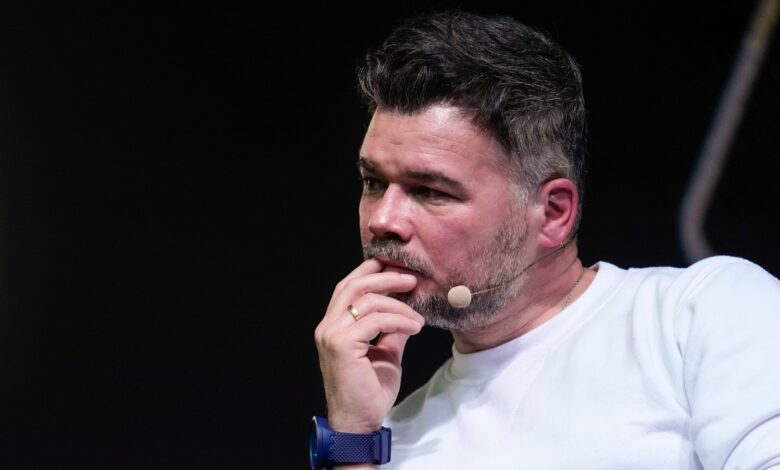
In recent months, Spain’s political landscape has undergone significant changes that could shape the country’s future. After the failure of the Sumar project and the decline of Yolanda Díaz’s influence, the left-wing electorate has unexpectedly turned its attention to Gabriel Rufián. His transformation from symbol of Catalan separatism to a potential unifier of the left is sparking lively debate among experts and voters.
As El Pais reports, Rufián, once associated solely with Catalonia’s independence movement, is now emerging as a central figure for those seeking renewed unity on the left. His political career began in Esquerra Republicana during a period of crisis, when the party aimed to attract the votes of migrant descendants. Although the initial strategy did not deliver the expected results, Rufián managed to maintain his visibility and influence, as confirmed by recent polls.
Rising popularity
According to the latest 40dB study published by the same outlet, Rufián significantly outpaces other candidates in support among left-leaning voters. He is seen as the one most capable of bringing together fragmented factions, attracting new supporters, and even leading the government. Notably, among those surveyed, he is second in name recognition only to Yolanda Díaz, who is no longer seen as a viable contender.
Experts note that Rufián’s success is largely due not only to his activity in parliament but also to his ability to engage with audiences on social media. He has become the only true “influencer” among politicians, with his actions and statements widely discussed in the digital space. This keeps him in the spotlight despite his past tied to the ‘processist’ discourse and independence ideas.
Challenges and Limitations
However, the situation is not so straightforward. According to Belén Barreiro, even if Rufián manages to unite all left-wing forces, it will not significantly expand the electoral base. Things might only change if disillusioned voters who once left the left return. It’s also important that many still view Rufián as a politician closely linked to independence ideas, which could hinder attracting a wider audience.
In the digital age, the past quickly loses relevance, and for many voters, what matters is the present. Rufián’s eleven years as a member of Esquerra Republicana and the party’s own history, founded in 1931, are relegated to the background. Even current Esquerra Republicana leaders rarely mention its involvement in the San Sebastián Pact and its role in forming republican governments in Madrid.
Context and Consequences
Rufián’s transition from a symbol of division to a potential unifier reflects a broader trend in Spanish politics, where traditional identities and slogans are giving way to pragmatism and the search for new forms of cooperation. As other left-wing projects lose support, his presence becomes a marker of change and uncertainty.
According to El Pais, the future development of the situation will depend on whether Rufián can move beyond past associations and offer voters a compelling alternative. For now, his successes are attributed not only to his personal qualities but also to the weakness of his rivals, who have failed to present a clear strategy for the left-wing electorate.
In recent years, Spain has already experienced attempts to unite left-wing forces following the failures of individual projects. For example, after the collapse of Podemos and growing disillusionment with traditional parties, new leaders emerged on the political scene, but none managed to establish themselves as a long-term unifier. Similar processes have been observed in other European countries, where voters increasingly seek new faces and fresh ideas, while past achievements are quickly forgotten. In the near future, new reshuffles and unexpected alliances are likely to shape the political dynamics in Spain.