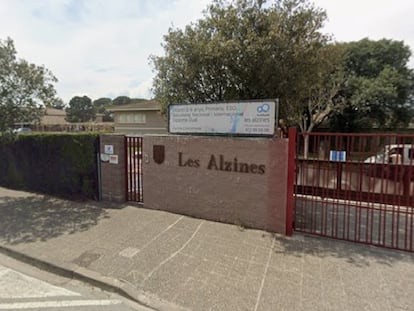
A challenging situation is unfolding in Girona: after two schools affiliated with Opus Dei — Les Alzines and Bell-lloc — announced their transition to private status, hundreds of students now face the risk of losing their places. The reason is the withdrawal of government funding, making it impossible for many families to afford tuition.
Previously, these institutions received subsidies from the Catalan government, allowing children from underprivileged backgrounds to study for free or at minimal cost. Now, with the loss of their public school status, support for low-income families is gone. According to local officials, around 250 students urgently need to transfer to other schools, as their families cannot cover the increased expenses.
The struggle to find places and new challenges
The move by Les Alzines and Bell-lloc into the private sector is aimed at preserving single-sex education — a model banned by Spain’s new education reform. As a result, the schools lose access to public funding and are no longer required to admit children from vulnerable groups. For many parents, this was an unexpected blow: they did not anticipate such a sharp rise in tuition fees and are now forced to look for alternatives.
The Catalan authorities have already begun searching for new school placements for the affected children. However, there are not many available spots in Girona’s public schools, and some of the proposed options are located on the outskirts of the city. This has raised concerns among parents, as the commute to school could become too long and inconvenient, especially for younger students. The city council is discussing the possibility of providing free meals and transportation for those who are assigned to schools further away.
Public reaction and possible solutions
The situation has sparked intense debate among Girona residents. Some believe that a gradual shift to private schooling would have helped avoid such abrupt changes for the children. Others insist the government must guarantee equal opportunities for all, regardless of family income. City and regional authorities are still looking for a compromise to minimize the stress on students and their families.
Various scenarios are under discussion: from the gradual phase-out of schools from the public funding system, to increasing capacity at other institutions. Another option is to offer additional subsidies to families who cannot afford private school tuition on their own. However, no final decision has been made yet, and the fate of hundreds of children remains uncertain.
Context: not just Girona
It’s worth noting that similar developments are underway in other parts of Catalonia, where Opus Dei schools are also shifting to private funding. However, the situation in Girona is particularly acute due to a higher proportion of students from vulnerable families. By contrast, in other cities where these schools cater to a more elite demographic, such issues have been much less pronounced.
In the coming months, Catalan authorities must make a decision that will shape the future of hundreds of children and their families. For many, this will be a real test, as it’s not just about changing schools, but about the ability to access quality education without financial barriers.