The approval of Spain’s 2026 national budget has become more than a routine procedure—it’s a real test for the entire political system. The outcome of these negotiations will determine not only the government’s stability, but also the future of key reforms affecting millions of Spaniards. This time, the situation is complicated by coalition partners sensing weakness and seizing the moment to demand maximum concessions.
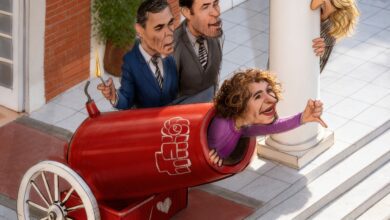
Pedro Sánchez, despite all difficulties, continues to hold onto power longer than his predecessors. Yet the current budget talks have become a true challenge for him. Behind the scenes, ministers compare him to the famous tennis player Carlos Alcaraz—not so much for sporting achievements, but for his ability to overcome crises when it seems there’s nothing left in the tank. This very knack for survival and maneuvering is now shaping Spain’s political landscape.
An unexpected twist
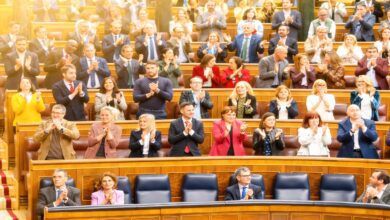
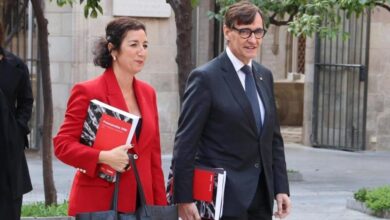
Within the coalition, a sense of tense anticipation hangs in the air. Government partners, fully aware that Sánchez desperately needs their support, make no secret of their desire for additional guarantees and privileges. One influential ally even called these talks “the easiest ever,” hinting that they hold all the leverage. This stance has created a unique scenario: for the first time in years, the balance of power has shifted toward smaller parties, who are now setting the terms.
Sánchez is forced to navigate between the demands of his allies and the need to maintain his image with voters. Any concession could be seen as a sign of weakness, but refusing to compromise risks losing support and even the threat of early elections. In this environment, every word spoken at the negotiating table carries extra weight, and each decision could prove pivotal.
Power and vulnerability
Comparisons to Alcaraz are no coincidence: like the athlete, Sánchez is forced to fight until the end, despite exhaustion and pressure. His political longevity has surprised even his closest associates, as just a few years ago, few believed he could hold onto his position for so long. Now, having outlasted figures like Zapatero and Aznar in La Moncloa, each new round of negotiations is perceived as yet another match for survival.
Coalition partners never miss a chance to remind everyone of their importance. They openly state that without their backing, the budget will not pass, and demand concrete action in exchange for loyalty. This creates a climate of constant uncertainty, where even the most seasoned political analysts find it difficult to predict the outcome.
Negotiations without illusions
Unlike previous years, when the budget approval process proceeded relatively smoothly, this time every meeting is marked by subtle threats and hints at possible consequences. Sánchez is forced to play a delicate game, trying not to let any side feel like a loser. At the same time, his allies are seizing every opportunity to strengthen their positions, openly discussing negotiation details without hesitation.
The domestic political struggle is reaching a new level: even the smallest parties can now influence the outcome of the vote. This situation compels the government to seek unconventional solutions and make unexpected compromises. As a result, budget negotiations have turned into an arena where each participant aims to maximize their own benefit.
Context and consequences
In recent years, Spain has repeatedly faced situations where the adoption of the budget became a subject of heated debate. For example, in 2023, delays in approving the financial plan led to a temporary suspension of several social programs. In 2024, coalition disagreements nearly triggered a government crisis, and in 2025, budget discussions were accompanied by mass protests and demands for tax policy revision. Each time, the final decisions had a direct impact on the country’s economy and social sphere, as well as Spain’s standing in the European Union. The current situation only confirms that budget negotiations remain one of the most contentious and unpredictable issues in Spanish politics.