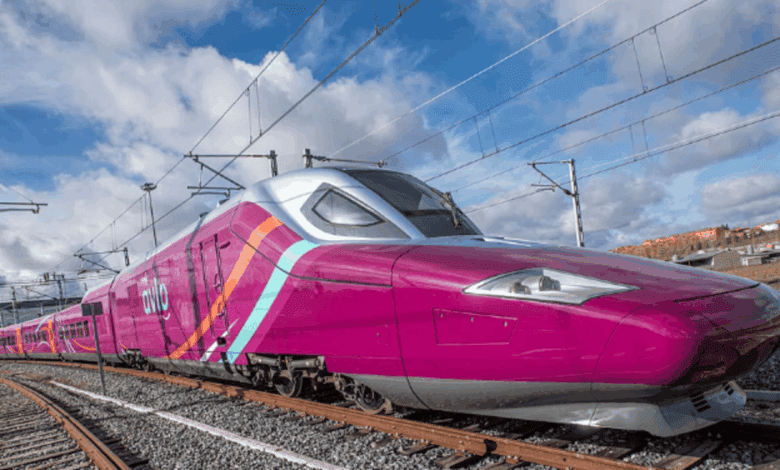
The European transport map is about to change: Barcelona and Venice will soon be just an overnight train ride apart. By 2040, a high-speed train is expected to link these cities, cutting travel time to Venice to just 10.5 hours, and to Milan—to 8 hours. This project is part of a major initiative to modernize the rail network, aiming to make travel across Europe faster, more convenient, and more environmentally friendly.
Currently, traveling from Barcelona to Venice takes at least 21 hours and requires several transfers. The new route promises not only to halve the journey time, but also to offer a direct connection between the major cities of Southern Europe. In the future, the train could reach average speeds of up to 400 km/h, making it a real alternative to medium-haul flights.
Corridor of the Future
At the core of the project is the creation of a unified high-speed rail line linking Spain, France, and Italy. Special attention is being given to eliminating bottlenecks, such as the section between Montpellier and Perpignan, which currently lacks high-speed service. Once completed, this corridor will become a key route for the entire south of Europe.
Travel from Barcelona to Milan is expected to take just over eight hours, and to Turin—about seven. By comparison, the journey to Milan today takes at least 12 hours and several transfers. The new line will support both day and night trains, offering added convenience for tourists and business travelers alike.
Tourism and Environment
The introduction of high-speed trains between Spain and Italy will open up new opportunities for tourism. Passengers will be able to have dinner in Barcelona and by morning stroll through the canals of Venice. In addition, there will be the option of overnight trips, where the train departs in the evening and arrives at its destination at dawn.
The project is supported as part of the European climate strategy. It is expected that expanding rail connections will help reduce the number of short-haul flights, lower carbon dioxide emissions, and make travel across the continent more sustainable. Plans include not only passenger but also freight transportation, which will take pressure off road and air routes.
Unified Network
A key part of the initiative will be integrating national rail systems. This will require harmonizing standards, streamlining certification, and ensuring open access for operators to international routes. There are already discussions about launching trains run by different companies such as Renfe, Trenitalia, and SNCF.
The European Commission expects that construction of the entire TEN-T network—the trans-European transport system—will be completed by 2040. More than €550 billion has been allocated for this purpose. As a result, it will be possible to travel quickly and comfortably not only to Italy, but also to France, Germany, Slovenia, and the Baltic states.
Economy and Competition
The launch of new routes is expected to drive down ticket prices and improve service quality. A prime example is the Madrid–Barcelona line, where prices dropped by nearly 40% following the arrival of competition. A similar effect is anticipated for international routes.
In the long term, the development of high-speed rail will not only make travel more accessible, but also boost the appeal of regions to businesses and investors. Improved transportation connectivity is set to spur economic growth and create new jobs.