The issue of migrant legalization in Spain has once again become the focus of public attention. For thousands of families who find themselves in Madrid without documents, this is more than just a bureaucratic procedure—it’s a matter of survival, access to housing, and basic rights. A new government initiative could change the lives of many, but so far, for most, everything remains at the level of anxious anticipation.
Life in the shadows
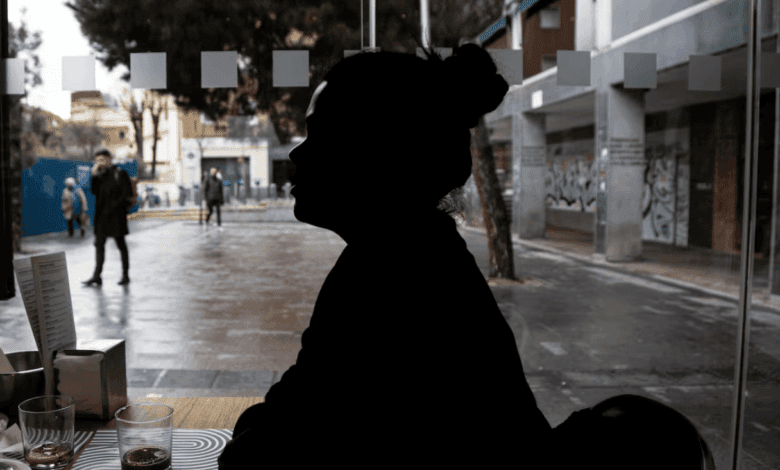
Pamela (name changed) sits on a terrace in the Prosperidad neighborhood, glued to her phone. Her voice messages fly to different countries—her family is scattered around the world. Not long ago, she showed journalists her ‘home’: a former bar turned into a cramped, windowless room, where six people shared the space for €1,800 a month. It’s been nearly two years since she left Bogotá, but it feels like a lifetime has passed.
Ten minutes from here, Diana (name changed) finishes her shift at a restaurant in La Concepción. She just turned 22 and arrived from Lima with her family in December 2022. Their first home was a 40-square-meter basement where twenty people squeezed in. Now Diana studies law in the evenings, but she still struggles to believe in change: news about possible legalization is met with caution. Those used to living in the shadows expect no favors from the system.
Vicious cycle
Both families faced a common migrant trap: without documents you can’t rent a home, without registration you can’t access education or healthcare, and without a job it’s impossible to survive. Attempts to bypass the system lead to encounters with scammers who promise registration or help with paperwork for a fee. The result is constant fear, an inability to make plans, and the sense that any day could be their last in Spain.
Despite all the hardships, Diana and her mother became the pillars of their family. The income they made — working as a nanny and waitress — went to support their younger sisters and grandparents. After failed attempts to rent an apartment, they were offered a spot in a basement in Usera, where 13 people were already living. For 2,500 euros a month, their family of seven got a corner in a damp room. From that moment, the struggle for a normal life began — with paperwork, employment, and hope for the future.
The price of survival
Pamela, who is 42, knows hunger and fear all too well. She left Caracas following the tragic events of 2017, when protests in Venezuela claimed many lives. In Colombia, she met her future husband and, after saving money, decided to avoid the dangerous route through the Darién jungle by buying tickets to Spain. Her husband arrived first, to Mallorca, and then both ended up in Madrid — in a tiny attic for 450 euros, where even the sofa came with an extra charge.
Recently, Pamela managed to get health insurance by registering at an apartment where she doesn’t actually live. This became possible thanks to ‘connections’ and extra expenses. She works as a manicurist, her husband as a barber, but only she has the right to official employment due to her asylum seeker status. Her husband is forced to agree to off-the-books wages whenever he can find odd jobs. They pay 600 euros for a room in a southern Madrid apartment they share with two other couples. Everything they manage to save goes to relatives in Lima, Caracas, and Bogotá.
Bureaucratic labyrinths
Diana can’t believe that after two years of fighting the system, when they were almost evicted from their only safe home and changes in the law dashed all hopes of legalization, suddenly there is a glimmer of hope. The family lived in constant fear: threats from their home country, lack of money, the impossibility of getting a scholarship or enrolling in a university without documents. Even the dream of their own home seemed unattainable.
The only official document is the red asylum seeker’s card, which was accidentally washed with the laundry. This piece of cardboard is all that separates them from total helplessness. The card expires in April, and uncertainty lies ahead once again: will they be able to renew it, or will they have to start all over? Diana is skeptical about promises from the authorities—too many times bureaucracy has shattered their plans.
Mafias and Waiting
Getting an official appointment to renew documents is nearly impossible—queues are huge and the cost of intermediary services keeps rising. Police are trying to crack down on illegal schemes, but demand only continues to grow. For families caught in this situation, every day is a test of endurance. In the coming months, the fate of thousands of migrants will depend on government decisions and the effectiveness of new measures. For now, most are left waiting, uncertain of what tomorrow will bring.