In recent years, Spain has been facing an unusual phenomenon: magical thinking—when simple explanations displace scientific facts—is becoming increasingly prominent. In a society where anxiety and uncertainty are part of daily life, many are seeking answers in conspiracy theories and mystical interpretations of events. This is not just harmless imagination—such beliefs are redefining perceptions of reality and influencing the behavior of millions.
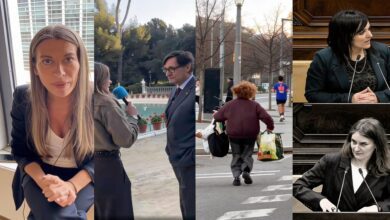
When public figures like actress Elisa Mouliaá make claims about the alleged dangers of airplane contrails, it sparks heated reactions. Even though science has long explained this phenomenon as ordinary condensation, fears and suspicions spread faster than facts. Such statements become a catalyst for movements that reject official accounts of events, including the effectiveness of vaccines and advancements in medicine.
Impact on society
In Spain, movements of skeptics and vaccine opponents are gaining momentum. Although vaccines have saved millions of lives and helped combat dangerous diseases, part of the population continues to believe in hidden threats. This is not just a lack of information—it’s about deep-rooted mistrust of official institutions and scientific knowledge. People look for simple answers to complex questions, especially when confronted with anxiety and a sense of losing control.
Magical thinking today does not open up new horizons, but rather, restricts them. It is no longer a tool for understanding the world, but a way to escape reality. As children, fairy tales and fantasies helped us cope with fears, but in adulthood, belief in miracles and conspiracies often leads to isolation and alienation.
Congresses and New Communities
Across different regions of the country, meetings and congresses are held to discuss alternative versions of history, medicine, and science. These gatherings, like the recent congress in Balaguer (Balaguer, Lleida), attract those who distrust official sources. Here, you might hear claims that people have been robbed of their health, history has been rewritten, and science has become soulless. Among the participants are doctors, journalists, and scientists who see themselves as fighters for the truth.
These communities create a unique atmosphere around themselves: there is a sense of exclusivity and belonging to the “awakened.” In exchange for abandoning critical thinking, they offer a sense of safety and control. But behind this lies a dangerous trend—the rejection of rational analysis and the embrace of emotional decisions.
Psychological Consequences
Studies show that an interest in conspiracy theories is linked to increased anxiety, social isolation, and a decline in mental health. People prone to magical thinking are more likely to distrust others and feel powerless in the face of external threats. This creates fertile ground for the rise of authoritarian leaders and deepens polarization within society.
Paradoxically, the quest for simple answers and relief from fear can lead to even greater internal tension. The more a person clings to the illusion of control, the more vulnerable they become to anxiety and depression. As a result, society finds itself trapped: the desire for protection from uncertainty leads to growing distrust and social tension.
The cost of abandoning reason
In Spain, magical thinking is becoming more than just a personal choice—it is shaping the collective consciousness. Rejecting a rational approach to information and science makes society more vulnerable to manipulation and fear. When truth is replaced by emotional narratives, people lose the ability to distinguish fact from fiction.
Instead of helping to manage anxiety, magical thinking only intensifies it. In their search for stability in a rapidly changing world, Spaniards are increasingly caught up in illusions that bring no relief, but rather deepen their inner turmoil. In such an atmosphere, the demand grows for simple solutions and charismatic leaders who promise to banish fears, yet ultimately only heighten division.