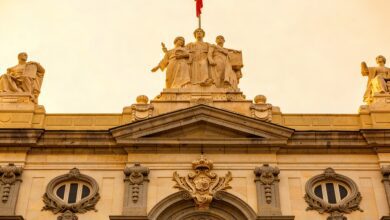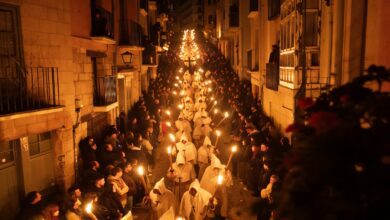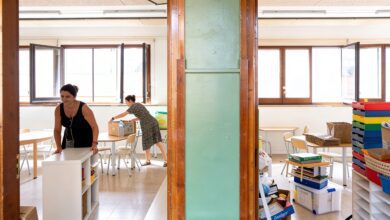
In the heart of Sevilla, tourists are increasingly opting for unique accommodations—apartments inside active monasteries. Behind these thick walls, where silence and prayer once reigned, you can now hear the rumble of rolling suitcases and the scent of fresh pastries. With fewer nuns each year, monastic communities have found a new way to sustain their ancient homes: some rooms are now rented out to visitors. For many guests, this is more than just a place to sleep—it’s a chance to connect with the history of a city experiencing a real tourism boom.
One such place is the Santa María de Jesús monastery, which has hosted tourist apartments for the past two years. Sixteen Poor Clare nuns live here, spending their days in prayer and making traditional sweets. Tourists, who enter through a separate door on Calle Águilas, often never meet the monastery’s residents. But the aroma of baking wafts through the neighborhood as a living reminder that life thrives behind these walls.
Tourism and tradition
In recent years, Sevilla has become a magnet for travelers. Last year alone, the city welcomed nearly five million visitors. Amid this tourism boom, historic buildings—once banks, palaces, and even cinemas—are rapidly being converted into luxury hotels. Dozens of high-end hotels have opened in the city center in recent years, with investments in the sector surpassing one billion euros. A city that had only two five-star hotels in the early 1990s is now vying to attract affluent tourists from around the world.
But apartments in monasteries offer a very different experience. You won’t find luxury here, but guests note the excellent value for money. Housing at Santa María de Jesús is managed by a separate company that pays the nuns a fixed fee. These funds are used to maintain the building, which is over 500 years old. Sister María admits there is always plenty to take care of, since the old walls require constant attention.
Innovative solutions for historic walls
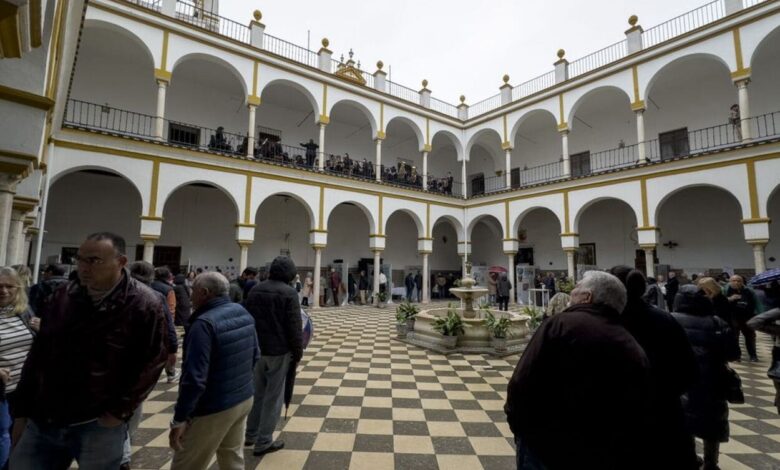
A similar story unfolded at the San Clemente monastery (San Clemente), which hosted the city’s first monastery hotel. Here, as in other such projects, the archdiocese helps with legal and administrative matters and finances necessary work. All income from tourist accommodation goes toward repairs and building maintenance. At the San Leandro monastery (San Leandro), famous for its sweets, proceeds have already funded the renovation of the inner courtyard.
Many of these monasteries were on the verge of closure due to a shortage of nuns. For instance, the former monastery of Santa Clara (Santa Clara) has now become the city’s cultural center. Local authorities and the last three mayors have supported monastery preservation projects, allocating funds for restoration and adapting the buildings for new uses.
Guesthouses in monastic cells
In May, the San Leandro Monastery opened four guest rooms, which have already received high ratings on popular booking platforms. To raise funds for renovations, the nuns even held open house events—an unusual move for a cloistered order. In the coming weeks, another monastery hotel will open in Seville, this time at Santa Paula. Construction there is nearly finished, and future guests are promised peace and seclusion away from the city’s busy tourist routes.
The Hieronymite nuns of Santa Paula hope this new project will not only help preserve the building but also share a piece of their spirit with every guest. In a city debating the impact of tourism on the housing market, local monasteries have found their way: they are opening their doors to travelers, making sure they don’t disappear from Seville’s map.