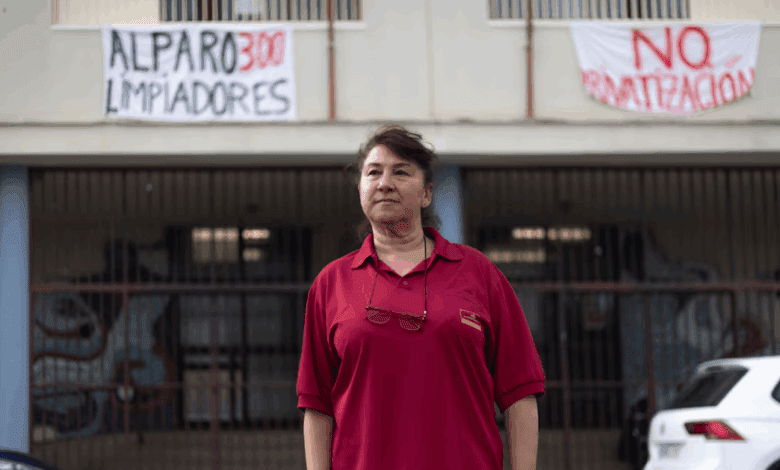
In Seville, the municipal decision to outsource the cleaning of public schools to private companies has sparked a wave of discontent. For many city residents, this is not just an issue of work organization—it’s about the future of hundreds of families and the quality of life for children. The system change affects not only workers but also parents, who are worried about the consequences for their children and the city budget.
Response from workers and families
The women who have kept schools clean for years now find themselves at the center of the conflict. Many work under temporary contracts and now fear losing their jobs. According to ElPais, some workers believe that official promises to preserve jobs are not realistic. Parents are also concerned: in some schools, the number of cleaners has already been reduced, and cleaning standards have dropped due to cuts in material costs.
Unions support the protesters, noting that the new jobs promised by city hall in reality merely replace those who have retired or are temporarily absent. Workers on temporary contracts are especially vulnerable—most are over 50 and fear it will be difficult to find new employment after the reform.
The authorities’ stance and the opposition’s response
The mayor of Seville, José Luis Sanz, claims that outsourcing cleaning to private companies will create additional jobs and improve efficiency. According to him, current staff will keep their positions, while new workers hired by contractors will be added. However, union representatives and parents believe these statements are manipulative. They point out that the actual number of employees is lower than stated, and that new vacancies only replace outgoing staff.
The authorities call the protests politicized and accuse the opposition of fueling the conflict. However, the demonstrators insist that their demands are not political but are driven by concern for the future of schools and jobs. Parent committees emphasize that their only interest is the quality of education and conditions for children.
Consequences for the city
The situation with school cleaning in Seville reflects a broader problem in Spain’s labor market. Many municipal services are facing staff shortages and budget cuts. According to ElPais, union proposals to improve conditions and fill vacancies were rejected, since the decision to privatize had already been made in advance. Other city services, including police and firefighters, have joined the protest, expressing solidarity with the cleaning staff.
For many workers, the shift to a private system means loss of stability and deteriorating working conditions. This is felt most acutely by older women, who risk being left without jobs or support. Despite the municipality’s claims of ongoing dialogue, protest participants believe their proposals are being ignored and that budget funds could be used to address staffing issues without involving private companies.
Context and similar cases
In recent years, Spain has seen repeated debates over the transfer of municipal services to private contractors. In Madrid and Barcelona, such reforms have led to mass protests and strikes, and in some cases to the temporary suspension of decisions. In Valencia, after school cleaning was outsourced to private companies, parents complained about declining service quality and staff shortages. These examples show that the issue of privatizing public utilities remains highly contentious and sparks strong public reaction.