A week dedicated to the Spanish-speaking world has begun in the Madrid region, an initiative proposed by the regional government. The administrations of educational institutions have received official letters urging them to organize themed classes and use special materials to create a festive atmosphere around Spanish-speaking heritage. However, the initiative immediately sparked a wave of discontent among parents, teachers, and historians.
Many educators and families believe that such events lack educational value and undermine the autonomy of schools. In their view, the authorities are imposing an ideologically charged perspective on history, bypassing mandatory curriculum approval procedures. Teachers’ unions note that most educational institutions do not plan to implement the proposed activities, and the very approach to the celebration is seen as an attempt to return to outdated teaching models.
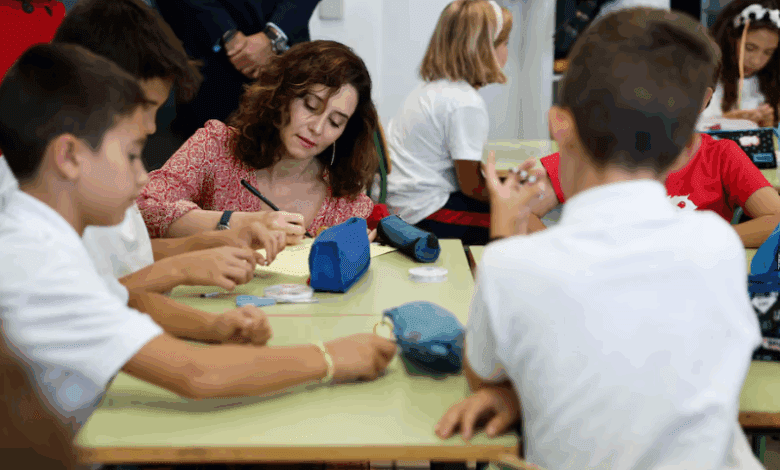
As part of the week, students are encouraged to learn about Columbus’s voyages, the culture of indigenous peoples of the Americas, the role of the Spanish language, as well as the gastronomy and art of Spanish-speaking countries. Some schools have even introduced special menus inspired by Latin American cuisine. Nevertheless, some history and literature teachers point out that the program is one-sided: it focuses on the positive aspects of colonization, while complex and painful topics, such as the disappearance of languages and cultures, are left in the background.
Historians point out that the very concept of ‘Hispanidad’ as a holiday emerged during the Franco era and does not reflect the diversity of perspectives on the events of October 12. In Latin America, for instance, this day is often dedicated to remembering indigenous resistance rather than the unity of the Spanish-speaking world. Critics argue that the Madrid initiative risks cementing a simplified and idealized version of the past, depriving students of the opportunity to learn about alternative points of view.
Some teachers chose to disregard the new recommendations and instead organized discussions about what really lies behind the date of October 12. Students talked not only about discoveries and cultural exchanges, but also about slavery, violence, and the consequences of colonization. Many believe that only this approach helps develop critical thinking in young people and fosters respect for historical diversity.
At the same time, Madrid authorities continue to emphasize the importance of Hispanic Week, highlighting its role in strengthening cultural ties. However, the disagreements between officials and the educational community are becoming increasingly apparent, and the initiative itself has become the subject of heated debate over how and what the new generation of Spaniards should be taught.