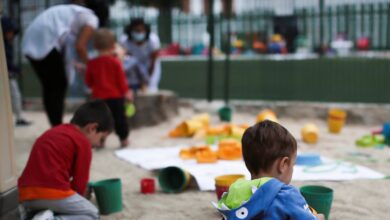
A new conflict has erupted in Madrid’s education sector: preschool teachers have launched an open-ended strike, demanding smaller group sizes and higher pay. This action could impact the entire preschool education system in Spain, as it concerns the quality of care and learning for the youngest children. The problem affects not only workers, but also thousands of families whose children attend both municipal and private institutions.
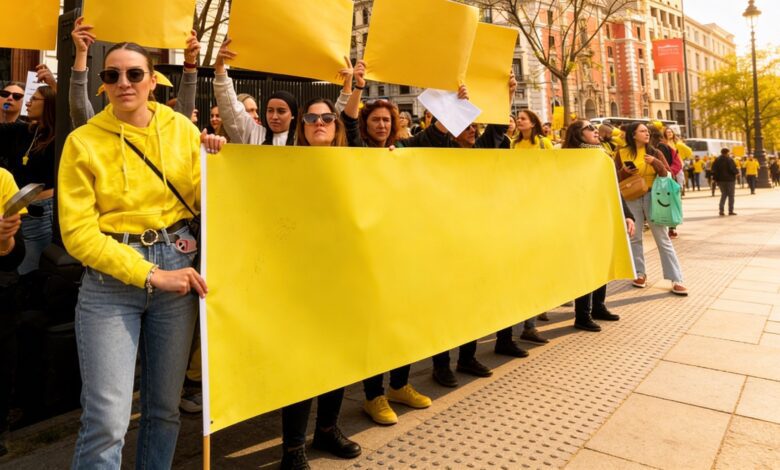
According to El Pais, on Tuesday morning Alcalá Street was blocked by hundreds of teachers in yellow T-shirts. They gathered outside the Ministry of Education to voice their dissatisfaction with working conditions and the lack of recognition for their profession. Their banners highlighted the educational role of preschool teachers, not just childcare. The protest was organized by the Preschool Workers’ Rights Platform (PLEI), with support from major unions. Demonstrators said they would not end the strike until authorities make concessions.
Demands and the government’s response
The main demands are to reduce the number of children per teacher and to raise salaries. PLEI representatives say current standards lead to staff overload and declining quality of care. The issue is particularly acute in municipal centers, where funding is limited and wages remain at a minimum. Importantly, the protest is not aimed at employers, but at government authorities responsible for sector regulation.
The Ministry of Education, as reported by El Pais, has already met with representatives of the strikers. The new Minister of Education, Milagros Tolón, expressed a willingness to consider proposals, but so far no concrete decisions have been made. At the same time, Madrid regional authorities stated that responsibility for excluding preschool education from the new group size regulations lies with the central government. According to their data, the strike affected about a third of workers, but nursery schools were not completely paralyzed thanks to the implementation of minimum service standards.
Scale and support of the strike
According to PLEI, around 41% of sector workers took part in the strike, with higher participation in public institutions than in private ones. In private nurseries, where conditions are often even more challenging, support was minimal due to the inability to meet even basic staffing requirements. Unions called on colleagues across the country to join the protest and establish a support fund for participants, as a prolonged strike with low wages is a serious test.
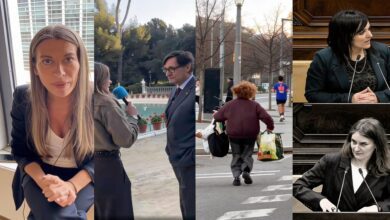
Representatives of political groups also joined the protest. Manuela Bergerot from Más Madrid publicly supported the educators’ demands, stressing that the current system creates conditions for widespread job insecurity and low pay. She pointed out that in some groups, a single caregiver is responsible for up to 14 children, which negatively affects the quality of education and child safety.
Impact on families and outlook
For parents, the strike could mean possible disruptions in daycare operations and the need to seek alternative childcare options. Authorities assure that basic services—such as meals and cleaning—will be maintained, but many families have already faced inconveniences. The issue of including preschool education in new state standards remains unresolved, and the situation’s further development depends on negotiations between unions and the ministry.
According to El Pais, sector representatives see the authorities’ attention to their problems as a modest success in itself. However, without concrete solutions, protests may continue and spread to other regions. Analysis by russpain.com notes that such strikes in Spain often act as catalysts for reviewing regulations and increasing funding, as was the case with elementary school teachers in 2024.
In recent years, Spain has seen repeated mass protests by education workers over excessive workloads, low pay, and lack of resources. For example, in 2024, primary school teachers in several autonomous communities succeeded in having class size standards reviewed after a series of strikes. In 2025, healthcare workers made similar demands, resulting in increased funding and improved working conditions. These events demonstrate that collective action can lead to real changes in the country’s social policy.
Amid economic challenges and rising employment, as noted in the report on record employment in Spain, issues of quality and accessibility of social services remain a focal point in public discourse. The strike by nursery school staff in Madrid is another reminder of the need for systemic change in public administration.