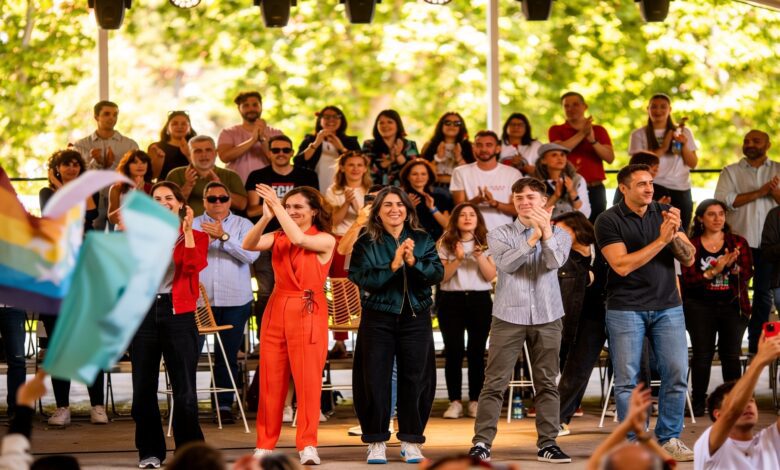
A sharp internal conflict is brewing within Más Madrid: Minister of Health Mónica García has officially announced her intention to run in the primaries for the leadership of the Madrid organization, even though regional elections have not yet been called. Her opponent is sitting regional parliament deputy Emilio Delgado, who has built his own political platform in recent years and now openly challenges the party leadership.
Dispute over rules and restricted access
The main point of tension is the new primary rules, which, according to Delgado’s supporters, favor García’s current team. According to the updated charter, to gain “militante” status and the right to vote, a participant had to have attended an internal event in the past four months, logged into the website, and registered for an activity. In a party with no membership fees, this sharply reduces the number of eligible voters: estimates suggest no more than a thousand people will be able to vote, whereas in 2019 there were seven thousand.
Delgado and his supporters believe these restrictions artificially narrow the electorate and strengthen the leadership’s grip. They have already filed a complaint with the guarantees committee and prepared a collective letter of protest signed by more than a hundred members. The internal party discussion goes beyond technicalities: it is about the future political course and who will set the opposition’s strategy in Madrid.
Ideological differences
The differences between García and Delgado go beyond voting procedures. García advocates maintaining the focus on public healthcare protection, feminism, ecology, and LGBTI+ rights. While Delgado shares these values, he insists on the need to broaden the agenda and attract new groups of voters, including men who, in his view, feel alienated by rigid ideological rhetoric. He has publicly clashed with Gabriel Rufián, causing discontent within the party leadership and being seen as an attempt to undermine the current leaders’ positions.
Internal tension increased after Delgado received an offer to run for Congress in the next elections. His supporters regarded this as an attempt to remove him from Madrid politics and weaken competition for regional leadership. Within the party, it is widely believed that real power is concentrated in Madrid, and being excluded from this center may lead to political oblivion, as has previously happened with other figures.
Consequences for the party and the region
The situation in Más Madrid reflects a broader crisis of identity and strategy for the left in the region. Internal disputes over rules and ideology may affect not only the composition of the leadership but also the party’s ability to compete with other players in elections. According to RUSSPAIN, such conflicts have already caused delays and disruptions in the implementation of important initiatives, as was the case with the school section exchange project, previously reported in the material. on the delayed launch of the Colegios Compartidos program in Madrid.
While the date of the primaries has not been set, both sides continue to build support within the party. The final decision will determine not only the leadership lineup, but also the direction of Más Madrid’s development for the coming years.