In Extremadura, the disappearance of Francisca Cadenas is once again in the spotlight after remains were found in Hornachos that may be linked to the case. For locals, this discovery serves as a reminder of how long and challenging the search for truth can be, as well as the importance of trusting law enforcement. The new evidence could not only shed light on the fate of the missing woman but also influence future approaches to similar investigations.
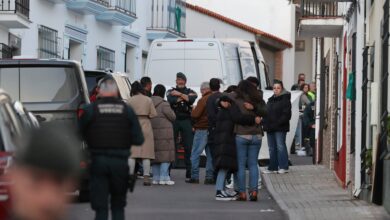
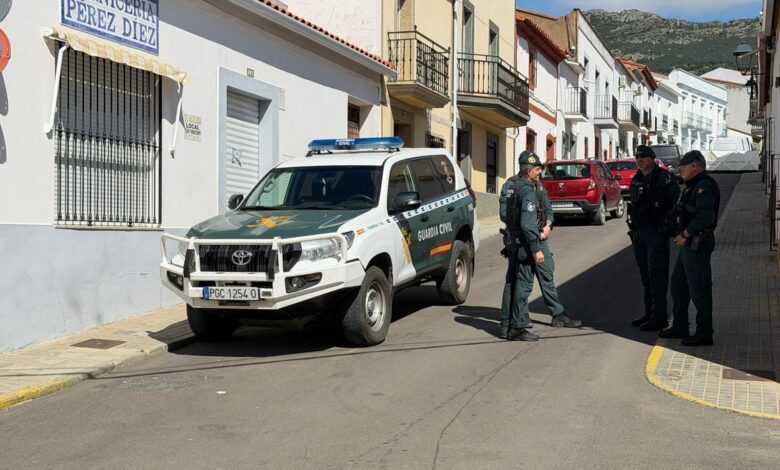
According to El Pais, officers from the Unidad Central Operativa (UCO) are continuing searches in Hornachos, where human remains were found the previous day in the yard of a house belonging to two detainees. This follows years of investigation into the disappearance of Francisca Cadenas, who went missing in May 2017. José Luis Quintana, the government delegate in Extremadura, stated that the remains have not yet been identified, although their characteristics match the circumstances of the woman’s disappearance. He stressed that the investigation is classified and details will only be disclosed after the examination is completed.
Investigation details
On the night after the remains were discovered, local officials, including Hornachos mayor Francisco Buenavista and the new Guardia Civil general in Extremadura Andrés Velarde, visited the scene. Quintana thanked the UCO officers for their professionalism and noted that the investigation had lasted nearly nine years. He also emphasized that the work is ongoing, and scientific analysis now takes center stage. The remains have already been sent to Madrid, where specialists from the Servicio de Criminalística will handle their identification.
The two detainees spent the night at the Guardia Civil station in Zafra. The investigation is currently being conducted by UCO officers, the Badajoz command, and specialists from the Equipo Central de Inspecciones Oculares (ECIO). Oversight is provided by the Sección Civil y de Instrucción of the Tribunal de Instancia de Villafranca de los Barros. According to RUSSPAIN.COM, such cases require utmost precision and coordination between various departments to avoid mistakes and not miss critical details.
Local residents react
Hornachos mayor Francisco Buenavista noted that the town’s residents have supported the missing woman’s family over the years, taking part in searches and campaigns to keep attention on the case. He expressed hope that if forensic tests confirm the remains belong to Francisca Cadenas, the family will finally gain closure after so many years of uncertainty. According to Quintana, the relatives already feel some relief, although it is still too early for definitive conclusions.
Tension remains high in Hornachos, as the disappearance of Francisca Cadenas became a personal tragedy for the town. Residents have repeatedly gathered for rallies and joined search operations to prevent the case from being forgotten. As El Pais reports, community support and active involvement were key to ensuring that the investigation continued over the years.
Context and consequences
In recent years, Spain has seen a rise in cases where missing persons are found after a long time thanks to new technologies and the persistence of investigators. For example, the issue of a shortage of permanent doctors in rural areas has recently been discussed in Salamanca, which also affects public trust in government institutions — you can read more about this in the article on the challenges of healthcare in the villages of Salamanca. Such stories show that for many Spaniards, security and justice remain at the forefront.
Recalling other high-profile cases, it is worth noting that in recent years, remains of missing persons have been found years after their disappearance in various regions. In most cases, it was the persistence of families and support from local residents that kept the search alive. New forensic methods and information sharing between regions make it possible to solve even the most complex cases, gradually strengthening trust in the justice system.