The scandal surrounding the Pujol family has once again become a focal point for Spanish society. The importance of this case for the country is clear: it concerns not only potential crimes, but also public trust in state institutions and the transparency of investigations. The key police official’s admission of personal animosity toward the defendants could alter perceptions of the entire case and spark new debates over the impartiality of the inquiry.
Personal motives and the investigation
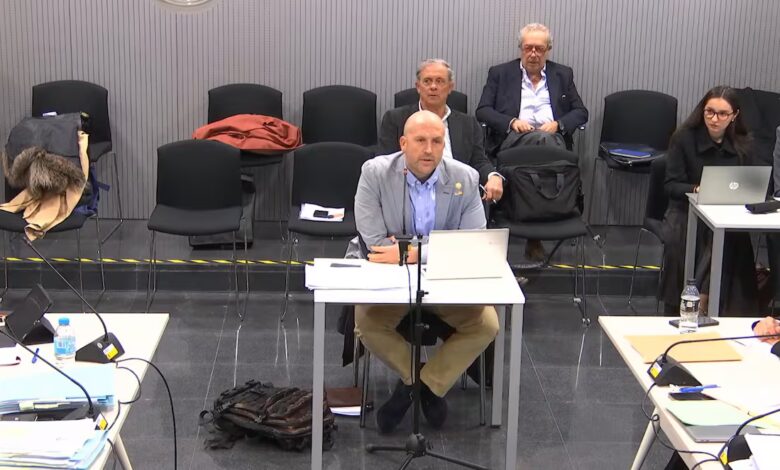
During hearings at the Audiencia Nacional, the lead investigator in the case against the Pujol family unexpectedly admitted to harboring personal dislike for the accused. This stemmed from his own experience: at one point, he himself came under suspicion at the initiative of family members, which led to proceedings over the illegal acquisition of bank data. Although the charges against him were dropped, the experience left a mark, and, according to him, influenced his attitude toward the case.
The judge immediately pointed out the potential legal consequences of such an admission. If a witness demonstrates personal interest, their statements may be called into question. Nevertheless, the inspector claims his conclusions are based on objective evidence and scientific methods, not emotions. His signature appears on many key documents related to suspicious transactions by the eldest son of the former head of Catalonia (Jordi Pujol Ferrusola).
Money, accounts, and conflicting versions
For many years, the Pujol family kept large sums of money in Andorran banks, hiding them from Spanish tax authorities. The defense insists that these funds were an inheritance left by the former president of Catalonia’s father in case his political career failed. However, the prosecution rejects this version, alleging that these were proceeds from corruption disguised as legitimate payments from companies that merely served as a front for transferring money in exchange for dubious services.
The investigator points out that there is no evidence of such an inheritance, and the dates the accounts were opened and the money transfers do not match the official account. Furthermore, according to his findings, one of the accounts was registered in the former president’s own name, although the family denies it. Suspicion is also raised by the fact that part of the funds was only legalized after news of the accounts appeared in the press, while other sums were never declared at all.
Key aspects of the case
A pivotal moment in the case was the public admission by Jordi Pujol in the summer of 2014 that hidden funds existed in Andorra. This statement marked a turning point, triggering a political crisis in Catalonia and damaging the family’s reputation. Prior to this, the investigation relied on the testimony of the former partner of the ex-president’s son, who revealed that large amounts of cash were transported across the border.
During the hearings, the inspector used a laptop to back up his statements and claimed that he tried to verify all facts to avoid mistakes. He also noted that companies linked to Jordi Pujol Ferrusola were created solely for transferring money, not for actual operations. Questions about the credibility of these claims remain, especially after admitting to personal animosity.
Legal intricacies and public reaction
Attention to the proceedings is fueled not only by the scale of the case, but also by unexpected twists in the courtroom. For example, there have already been curious incidents where witnesses demanded clarification of their role in the process, as described in the report on judicial confusion during the Pujol trial. Such episodes only heighten interest in the events and highlight the complexity and ambiguity of the investigation.
As El Pais reports, despite all statements and evidence, the question of the origin of the Pujol family’s fortune remains unresolved. The investigation continues to search for new evidence, while the public closely follows every step of the proceedings. The outcome of this case could influence perceptions of corruption and trust in law enforcement agencies in Spain.
In recent years, Spain has faced several high-profile corruption investigations involving politicians and major business figures. For example, a case concerning party financing and illegal construction schemes caused a strong public reaction. Such cases often spark debates about the transparency of investigations and the objectivity of judges. Each new incident prompts discussions about reforms in the system of oversight and accountability for financial crimes.