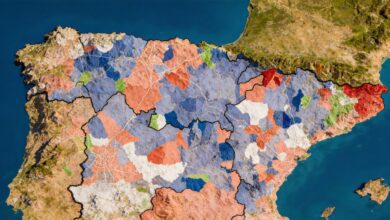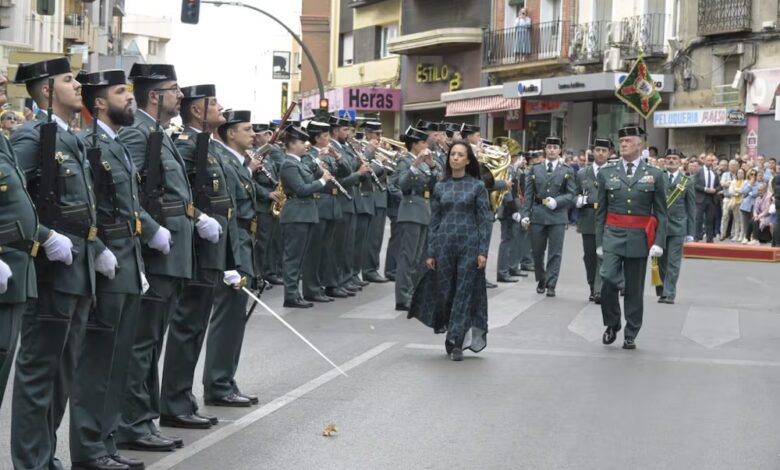
The Jucil Association, previously considered the most influential group within the Guardia Civil, unexpectedly lost ground in the recent Council elections. While the organization was the clear leader four years ago, this time it managed to secure only three out of sixteen possible seats. For comparison, in 2021 Jucil had six representatives.
The drop in support is especially noticeable among rank-and-file members and junior officers. The number of votes for Jucil in this category fell by more than half — from 14,251 to 6,838. Despite such a significant decline, the association’s leadership says it will continue fighting for pay parity with regional police forces, without commenting on the reasons behind the setback.
Internal discord and scandals
Jucil’s election failure coincided with a prolonged conflict within the organization itself. In recent months, a real war has erupted between the current leadership and a group of former leaders: both sides have filed lawsuits and traded accusations of financial misconduct. These disputes are still unresolved and continue to erode trust in the association.
As a result, Jucil has lost its status as the largest and most influential group among Guardia Civil members. The Asociación Unificada de Guardias Civiles (AUGC) has now regained the top spot, winning five seats on the Council and strengthening its position after several years of relative quiet.
Shift in the balance of power and low turnout
Alongside AUGC and Jucil, the new Council includes representatives from four other associations: the Union of Officers (Unión de Oficiales), the Association of Subofficers, the Professional Association of Junior Officers, and two independent organizations. Some groups failed to cross the threshold and were left without representation.
Interest in the elections among Civil Guard members has dropped noticeably. Turnout was just 37%, almost ten points lower than four years ago. Rank-and-file and junior officers were especially disengaged: only a little over a third participated in the vote. This reflects growing disillusionment with the Council, whose decisions are not binding for the Ministry of the Interior.
Parallels with other organizations
The situation with Jucil echoes the recent story of Jupol—the National Police union that also emerged from the Jusapol movement. After a meteoric rise, Jupol was hit by internal scandals and lost significant influence in subsequent elections. In both cases, internal conflicts and accusations of financial misconduct led to a loss of trust and leadership.
Thus, the latest Civil Guard Council elections have become a turning point for Jucil. Once considered the flagship for defending staff rights, the organization is now forced to rethink its strategy and rebuild its reputation amid growing competition and waning interest from the Guard’s own ranks.