A conflict is unfolding in Catalonia that could affect the work of the police and the region’s judicial system. Authorities have decided to return legal protection for the Mossos d’Esquadra (the Catalan police) under the control of the Department of the Interior. This move sparked a strong reaction among lawyers representing government interests and has already led to court proceedings. The dispute affects not only the management structure but also the balance of power between various agencies, potentially changing the approach to defending police officers in court.
Origins of the conflict
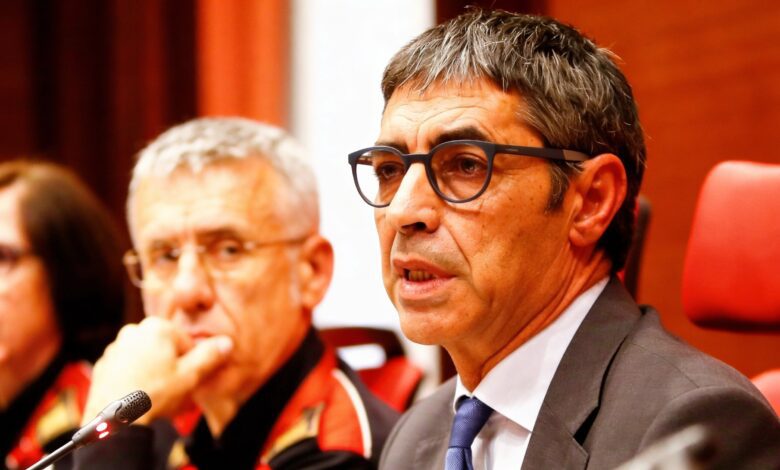
In 2021, following political agreements between parties, legal support for the Mossos d’Esquadra was removed from the Department of the Interior’s oversight and transferred to the legal office of the President of Catalonia. This decision was driven by pressure from political groups concerned about charges against independence supporters. However, after the change of government and the rise to power of the PSC, new police chief Josep Lluís Trapero initiated the return of legal advisors to the Department of the Interior, creating a special substructure for police legal support.
As El Pais notes, the new structure differs from the previous one not only in terms of oversight but also in scale. Now, legal support covers not only court cases involving Mossos d’Esquadra personnel, but also administrative matters and consultations on various areas of police activities. The new subdivision is headed by Mari Pau Martí, who previously worked in the Ministry of the Interior, and Josep Lluís Florensa, who formerly defended employees’ interests through the SAP-Fepol union.
Lawyers’ response and court rulings
The Fòrum d’Advocacia de la Generalitat association opposed the new order, claiming it violates the Catalan government’s legal service law. According to representatives of the association, creating a separate legal structure within the police undermines the unity and independence of the legal profession and could lead to conflicts of interest. They filed a lawsuit requesting suspension of the new decree, arguing that it could cause irreversible consequences for management systems and the legal status of lawyers.
However, on February 26, 2026, the Catalan Supreme Court rejected the request for temporary suspension of the reform. The court found insufficient evidence that the changes could cause irreparable harm before a final decision is made. Nevertheless, the association continues to insist on repealing the decree, citing risks to the status of lawyers and the potential for demands to equalize salaries between the new and current government lawyers.
Arguments from both sides and potential outcomes
The Department of Internal Affairs claims that the new structure does not violate the law but rather restores a previous practice in which lawyers worked closely with the police, while the final personnel decisions remained with the President of Catalonia. Authorities emphasize that the reform aims to improve the quality of legal support and provide maximum legal security for the Mossos d’Esquadra. Plans include the creation of specialized legal teams for individual police units, such as those dealing with economic crimes.
At the same time, representatives of the legal community fear that such changes may blur functions and responsibilities, and lead to new bureaucratic barriers. They believe that only a centralized legal service can guarantee the protection of the interests of the state and citizens, preventing pressure from individual departments.
Context and similar cases
In recent years, Spain has repeatedly witnessed debates over the distribution of powers among various legal bodies within government authorities. For example, Madrid discussed a reform of legal support for the municipal police, while Valencia raised questions about the independence of lawyers working with the regional government. Such conflicts often lead to court proceedings and require intervention by higher authorities. Analysis by russpain.com indicates that these disputes usually drag on for months or even years, and their outcomes affect not only the police but the entire regional governance system.