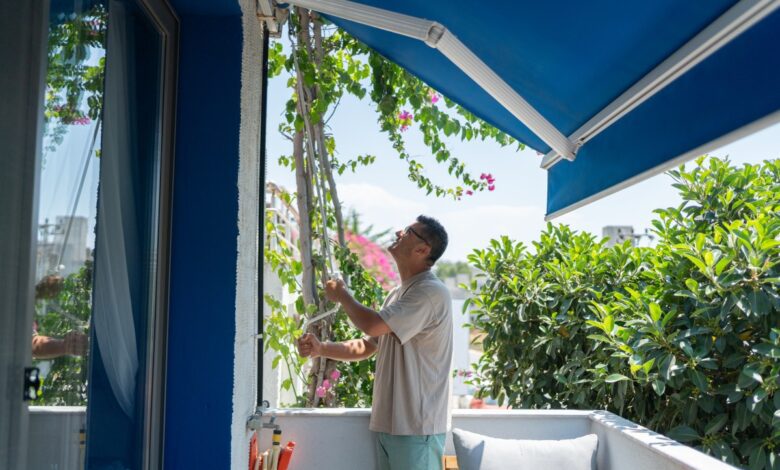
Court Case Over Terrace Modifications
A legal dispute in the Spanish capital has concluded, drawing the attention of many apartment owners with terraces. A resident of a building in Madrid installed a canopy and a metal door on her terrace without obtaining prior consent from her neighbors. Although the terrace was for her exclusive use, by law, it remained part of the building’s communal property. This fact became central to the dispute between the owner and the rest of the residents.
Reasons for the Dispute and Residents’ Perspective
Neighbors repeatedly asked the woman to remove the unauthorized structures, arguing that the canopy and door spoiled the appearance of the building and could obstruct proper rainwater drainage. After their requests were ignored, the residents voted at a general meeting to take the matter to court. The first instance court sided with the neighbors, ordering the woman to restore the terrace to its original state. Unwilling to accept this ruling, she filed an appeal.
Arguments of the Defendant and Court’s Conclusions
During the appeal, the owner argued that her actions did not damage the building’s structure and were similar to those of other residents, who had also installed awnings and drying racks. She also noted that the metal door had been installed by a contractor hired by the community itself. However, the court determined that the initiative came specifically from her, and that any changes to communal areas require the agreement of all property owners. The judges emphasized that even if similar constructions are present elsewhere, this does not exempt one from responsibility for violating regulations.
The importance of unified architectural appearance and legal standards
The court reminded that maintaining a unified architectural style is important for preserving property values and ensuring harmony among residents. Even if changes do not affect load-bearing structures, they can be deemed illegal if they disrupt the building’s visual harmony. The Law of Horizontal Property (Ley de Propiedad Horizontal) explicitly prohibits any work on common elements without approval from the owners’ assembly. In this case, the lack of consent was sufficient grounds to order removal.
Procedure for owners with terraces
Experts recommend that anyone planning to install a canopy, glazing, or other structures on their terrace obtain written permission from the homeowners’ association in advance. Your application should clearly detail the project, listing materials and colors to avoid misunderstandings. Only after receiving official approval can you start work. Keeping a copy of the meeting minutes and the authorization will help prevent disputes in the future.
Consequences of unauthorized modifications
This case in Madrid clearly demonstrates that any work done on shared parts of a building without approval can lead to lawsuits, extra financial costs, and the obligation to restore everything to its original state. Even if the terrace is for private use, its walls, façade, and other elements are still communal property. Violating these rules can result not only in having to dismantle the changes, but also in additional expenses for legal fees.