Madrid is once again caught up in a heated debate that has been ongoing for years: should the Spanish capital introduce a tourist tax, as Barcelona and Palma de Mallorca have done long ago? The Socialists (PSOE) believe the time has come. Their proposal promises to bring more than 100 million euros into the city’s coffers every year. But not everyone is thrilled with the idea: both city and regional authorities are strongly opposed, fearing for Madrid’s image and its appeal to visitors.
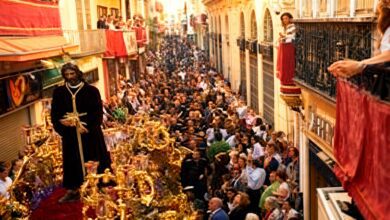
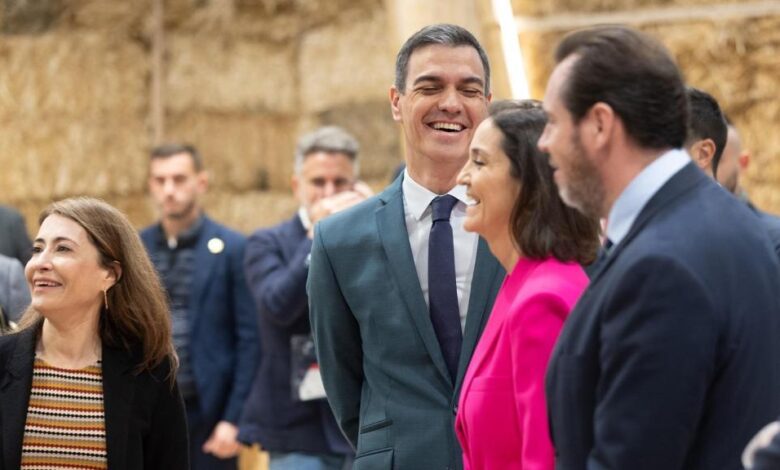
Reyes Maroto, the Socialist representative on the city council, insists that tourists should contribute to maintaining cleanliness and developing transportation. According to her, the capital has long been under serious pressure from the influx of visitors—last year alone, Madrid welcomed over 11 million tourists. That’s nearly three times the number of local residents. Maroto is convinced that if every guest pays a small nightly fee, the city will be able to direct these funds towards improving life for all Madrileños.
Arguments from both sides
Proponents of the new measure point to the experience of other European cities. Barcelona and Palma de Mallorca have collected tourist taxes for years, and this hasn’t prevented them from breaking visitor records annually. Maroto believes Madrid shouldn’t lag behind: if the capital wants to remain a modern and comfortable city, it needs additional resources. Otherwise, she warns, the strain on infrastructure will only grow, and quality of life will decline.
However, opponents are not giving up. Madrid mayor José Luis Martínez-Almeida and regional authorities argue that any additional fees will only deter tourists. In their view, the capital should remain open and welcoming, and introducing a tax sends the message that visitors are not wanted. “If you want people to come to your home, don’t hand them a bill at the door,” said transport chief Mariano de Paco, calling the socialists’ idea “ridiculous.”
Political Struggle
The issue of a tourist tax has long been a point of contention between the left and right in Madrid. Socialists have raised this topic before: back in 2023, Maroto included it in her election campaign. At the time, she emphasized that the proceeds from the tax should go not only to transport and street cleaning, but also to the development of affordable housing. Other left-wing parties—Más Madrid and Unidas Podemos—supported the initiative as well. They believe the tourism industry should benefit all residents, not just major corporations.
The right-wing parties and the current city administration stand firm: any new taxes would harm Madrid’s reputation. They fear that tourists will choose other destinations if faced with extra costs. Regional authorities have repeatedly stressed that the capital should set itself apart from other Spanish cities by being open and free of bureaucratic obstacles for visitors.
Economy and Society
The economic impact of introducing the levy is considered quite significant. According to the socialists’ calculations, even if every tourist pays just a symbolic amount per night, the city could receive over 100 million euros a year. This money could be used for road repairs, upgrading public transport, street cleaning, and even the construction of new social facilities. With the number of tourists increasing every year, such funds could be a real lifeline for the city’s infrastructure.
However, opponents of the idea point to potential risks. They believe that even a small tax may become the deciding factor for tourists when choosing their destination. In addition, there are concerns that the levy will hit small businesses—hotels, hostels, and rental accommodations—which already face competition from other cities and countries.
A city at a crossroads
As political debates continue, residents of Madrid watch developments with both interest and anxiety. Some support the idea, tired of tourists enjoying city benefits without contributing anything in return. Others fear that any new taxes will only worsen life in an already challenging economic situation.
Implementing a tourism levy is not just a financial issue but a symbolic one as well. It’s a debate over what Madrid should be: a city for everyone or only for a select few. For now, one thing is clear: Spain’s capital is once again at the heart of a political storm whose outcome is hard to predict.